
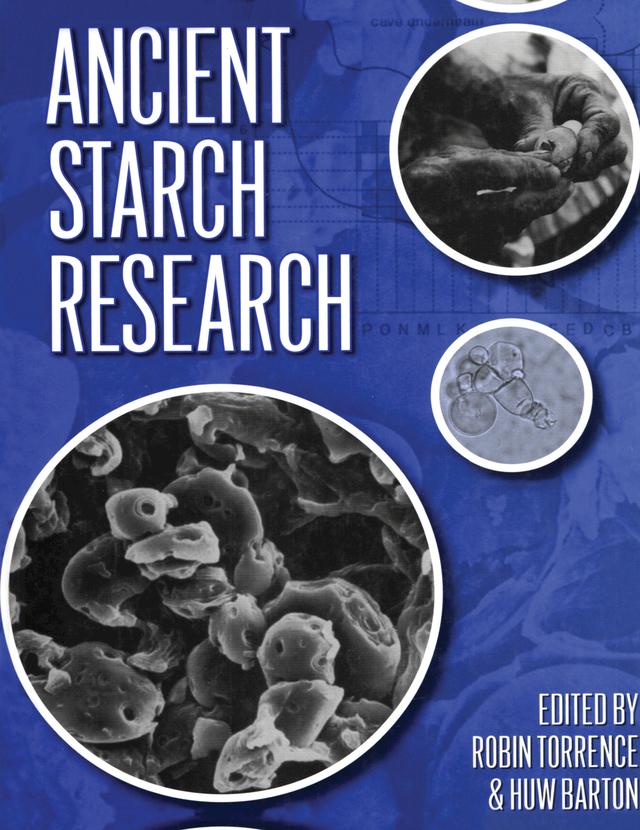
What role did plant resources have in the evolution of the human species? Why and how have plants been managed and transported to new environments? Where, how, and why were plants domesticated, and why do the patterns vary in different parts of the world? What is the relationship between the intensification of food production and the rise of complex societies? Numerous new studies are using starch granules discovered in archaeological contexts to answer these questions and improve our knowledge of past human behavior and environmental variation. Given the substantial body of successful research, the time has clearly come for a comprehensive description of ancient starch research and its potential for archaeologists. This book fills these roles by describing the fundamental principles underlying starch research, guiding researchers through the methodology, reviewing the results of significant case studies, and pointing the way to future avenues for research. The joint product of over two dozen archaeological scientists, Ancient Starch Research aims to bring the important new field of ancient starch analysis to the attention of a wider range of scholars and to provide them with the information needed to embark on their own research.
Płać wygodnie kartą, Klarną, Apple Pay lub Google Pay. Nie jesteś zadowolony? Zawsze masz 14-dniową gwarancję zwrotu pieniędzy. Więcej przeczytasz w naszych warunkach. Masz pytania? Napisz do nas na hello@memmo.org.
Memmo ułatwia naukę – gdziekolwiek jesteś na świecie. U nas znajdziesz podręczniki i sprytne narzędzia do nauki w jednym miejscu: streszczenia, quizy, podcasty i fiszki. A do tego Ted, Twój kumpel do nauki, który odpowie na wszystko, co Cię nurtuje. Ponad 50 000 studentów już tu się uczy – stworzone, byś uczył się szybciej i mniej stresował.
Może Ci się spodobać
Kup książkę0