
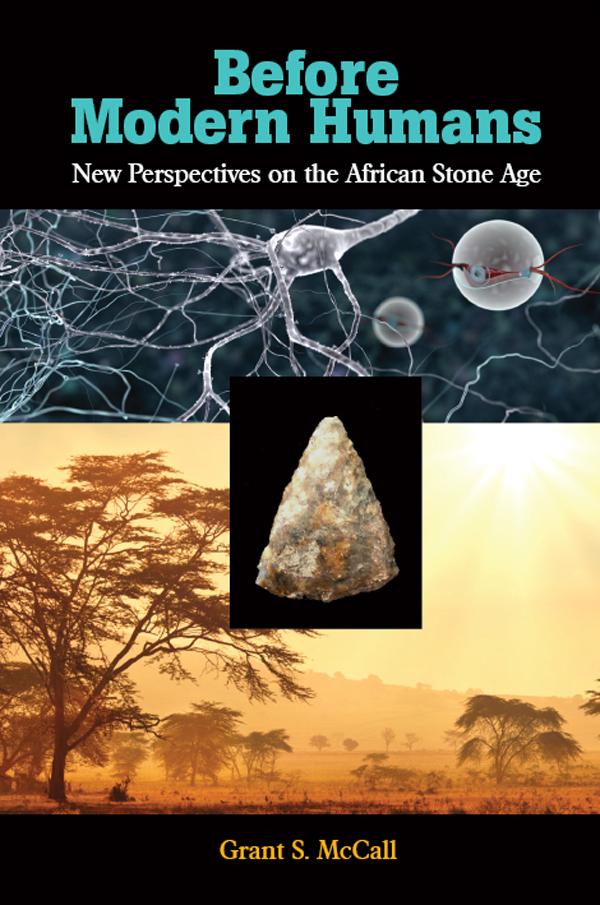
This fascinating volume, assessing Lower and Middle Pleistocene African prehistory, argues that the onset of the Middle Stone Age marks the origins of landscape use patterns resembling those of modern human foragers. Inaugurating a paradigm shift in our understanding of modern human behavior, Grant McCall argues that this transition—related to the origins of “home base” residential site use—occurred in mosaic fashion over the course of hundreds of thousands of years. He concludes by proposing a model of brain evolution driven by increasing subsistence diversity and intensity against the backdrop of larger populations and Pleistocene environmental unpredictability. McCall argues that human brain size did not arise to support the complex patterns of social behavior that pervade our lives today, but instead large human brains were co-opted for these purposes relatively late in prehistory, accounting for the striking archaeological record of the Upper Pleistocene.
Płać wygodnie kartą, Klarną, Apple Pay lub Google Pay. Nie jesteś zadowolony? Zawsze masz 14-dniową gwarancję zwrotu pieniędzy. Więcej przeczytasz w naszych warunkach. Masz pytania? Napisz do nas na hello@memmo.org.
Memmo ułatwia naukę – gdziekolwiek jesteś na świecie. U nas znajdziesz podręczniki i sprytne narzędzia do nauki w jednym miejscu: streszczenia, quizy, podcasty i fiszki. A do tego Ted, Twój kumpel do nauki, który odpowie na wszystko, co Cię nurtuje. Ponad 50 000 studentów już tu się uczy – stworzone, byś uczył się szybciej i mniej stresował.
Może Ci się spodobać
Kup książkę0