
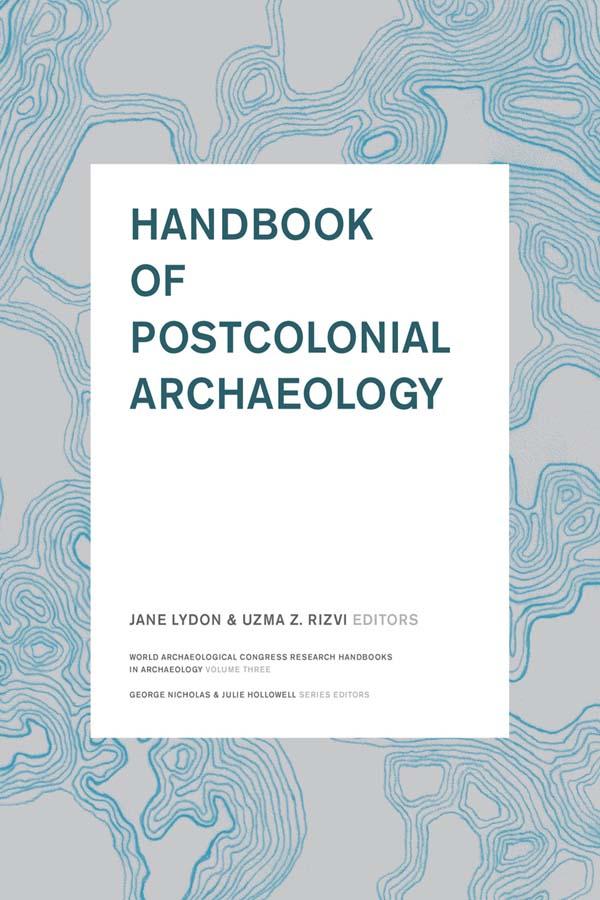
This essential handbook explores the relationship between the postcolonial critique and the field of archaeology, a discipline that developed historically in conjunction with European colonialism and imperialism. In aiding the movement to decolonize the profession, the contributors to this volume—themselves from six continents and many representing indigenous and minority communities and disadvantaged countries—suggest strategies to strip archaeological theory and practice of its colonial heritage and create a discipline sensitive to its inherent inequalities. Summary articles review the emergence of the discipline of archaeology in conjunction with colonialism, critique the colonial legacy evident in continuing archaeological practice around the world, identify current trends, and chart future directions in postcolonial archaeological research. Contributors provide a synthesis of research, thought, and practice on their topic. The articles embrace multiple voices and case study approaches, and have consciously aimed to recognize the utility of comparative work and interdisciplinary approaches to understanding the past. This is a benchmark volume for the study of the contemporary politics, practice, and ethics of archaeology. Sponsored by the World Archaeological Congress
Płać wygodnie kartą, Klarną, Apple Pay lub Google Pay. Nie jesteś zadowolony? Zawsze masz 14-dniową gwarancję zwrotu pieniędzy. Więcej przeczytasz w naszych warunkach. Masz pytania? Napisz do nas na hello@memmo.org.
Memmo ułatwia naukę – gdziekolwiek jesteś na świecie. U nas znajdziesz podręczniki i sprytne narzędzia do nauki w jednym miejscu: streszczenia, quizy, podcasty i fiszki. A do tego Ted, Twój kumpel do nauki, który odpowie na wszystko, co Cię nurtuje. Ponad 50 000 studentów już tu się uczy – stworzone, byś uczył się szybciej i mniej stresował.
Może Ci się spodobać
Kup książkę0