
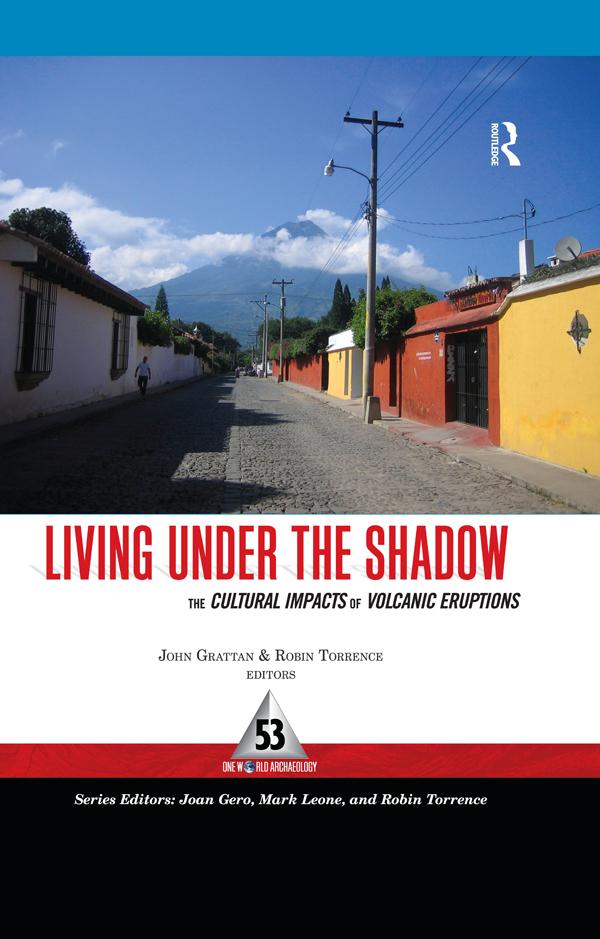
Popularist treatments of ancient disasters like volcanic eruptions have grossly overstated their capacity for death, destruction, and societal collapse. Contributors to this volume—from anthropology, archaeology, environmental studies, geology, and biology—show that human societies have been incredibly resilient and, in the long run, have often recovered remarkably well from wide scale disruption and significant mortality. They have often used eruptions as a trigger for environmental enrichment, cultural change, and adaptation. These historical studies are relevant to modern hazard management because they provide records for a far wider range of events and responses than have been recorded in written records, yet are often closely datable and trackable using standard archaeological and geological techniques. Contributors also show the importance of traditional knowledge systems in creating a cultural memory of dangerous locations and community responses to disaster. The global and temporal coverage of the research reported is impressive, comprising studies from North and Central America, Europe, Asia, and the Pacific, and ranging in time from the Middle Palaeolithic to the modern day.
Płać wygodnie kartą, Klarną, Apple Pay lub Google Pay. Nie jesteś zadowolony? Zawsze masz 14-dniową gwarancję zwrotu pieniędzy. Więcej przeczytasz w naszych warunkach. Masz pytania? Napisz do nas na hello@memmo.org.
Memmo ułatwia naukę – gdziekolwiek jesteś na świecie. U nas znajdziesz podręczniki i sprytne narzędzia do nauki w jednym miejscu: streszczenia, quizy, podcasty i fiszki. A do tego Ted, Twój kumpel do nauki, który odpowie na wszystko, co Cię nurtuje. Ponad 50 000 studentów już tu się uczy – stworzone, byś uczył się szybciej i mniej stresował.
Może Ci się spodobać
Kup książkę0