
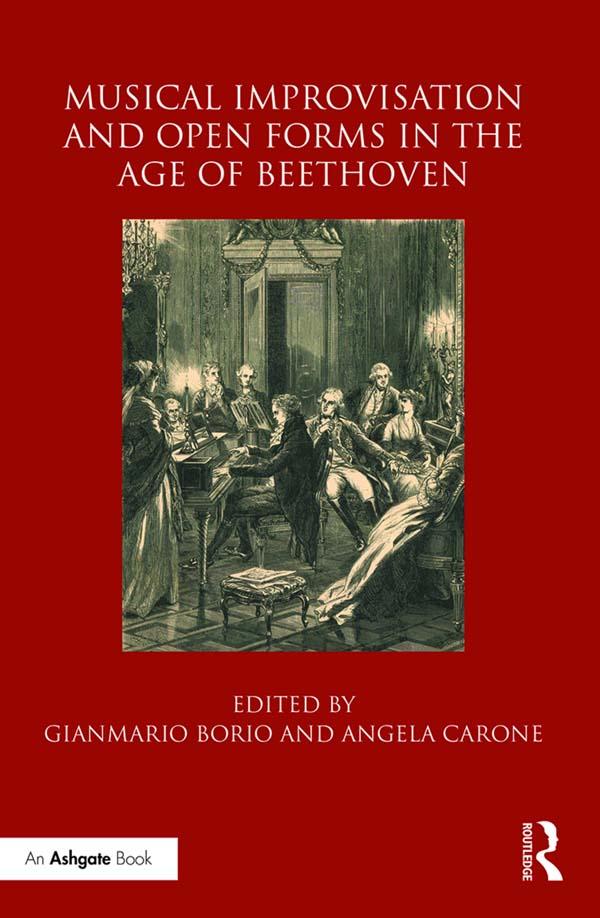
Improvisation was a crucial aspect of musical life in Europe from the late eighteenth century through to the middle of the nineteenth, representing a central moment in both public occasions and the private lives of many artists. Composers dedicated themselves to this practice at length while formulating the musical ideas later found at the core of their published works; improvisation was thus closely linked to composition itself. The full extent of this relation can be inferred from both private documents and reviews of concerts featuring improvisations, while these texts also inform us that composers quite often performed in public as both improvisers and interpreters of pieces written by themselves or others. Improvisations presented in concert were distinguished by a remarkable degree of structural organisation and complexity, demonstrating performers’ consolidated abilities in composition as well as their familiarity with the rules for improvising outlined by theoreticians.
Płać wygodnie kartą, Klarną, Apple Pay lub Google Pay. Nie jesteś zadowolony? Zawsze masz 14-dniową gwarancję zwrotu pieniędzy. Więcej przeczytasz w naszych warunkach. Masz pytania? Napisz do nas na hello@memmo.org.
Memmo ułatwia naukę – gdziekolwiek jesteś na świecie. U nas znajdziesz podręczniki i sprytne narzędzia do nauki w jednym miejscu: streszczenia, quizy, podcasty i fiszki. A do tego Ted, Twój kumpel do nauki, który odpowie na wszystko, co Cię nurtuje. Ponad 50 000 studentów już tu się uczy – stworzone, byś uczył się szybciej i mniej stresował.