
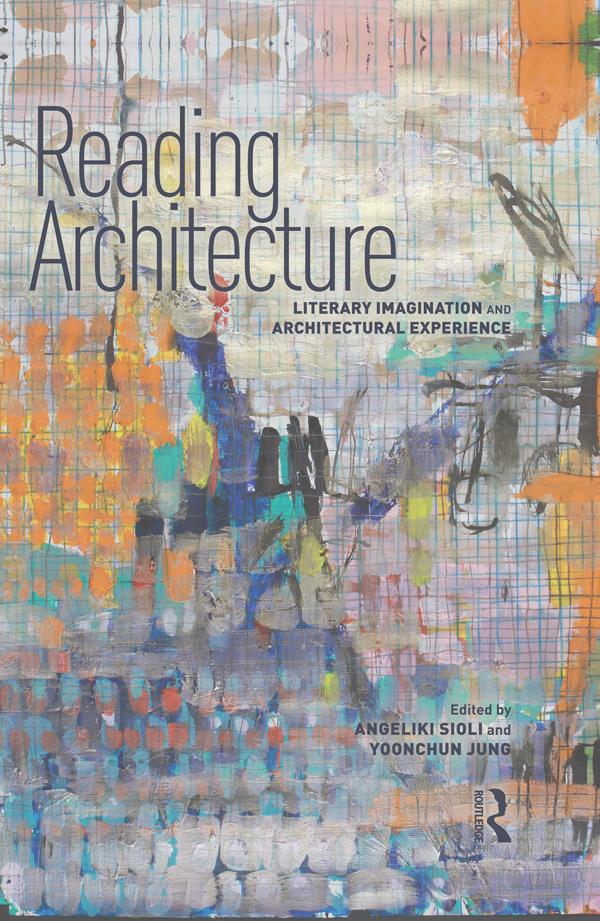
Why write instead of draw when it comes to architecture? Why rely on literary pieces instead of architectural treatises and writings when it comes to the of study buildings and urban environments? Why rely on literary techniques and accounts instead of architectural practices and analysis when it comes to academic research and educational projects? Why trust authors and writers instead of sociologists or scientists when it comes to planning for the future of cities? This book builds on the existing interdisciplinary bibliography on architecture and literature, but prioritizes literature’s capacity to talk about the lived experience of place and the premise that literary language can often express the inexpressible. It sheds light on the importance of a literary instead of a pictorial imagination for architects and it looks into four contemporary architectural subjects through a wide variety of literary works. Drawing on novels that engage cities from around the world, the book reveals aspects of urban space to which other means of architectural representation are blind. Whether through novels that employ historical buildings or sites interpreted through specific literary methods, it suggests a range of methodologies for contemporary architectural academic research. By exploring the power of narrative language in conveying the experience of lived space, it discusses its potential for architectural design and pedagogy. Questioning the massive architectural production of today’s globalized capital-driven world, it turns to literature for ways to understand, resist or suggest alternative paths for architectural practice. Despite literature’s fictional character, the essays of this volume reveal true dimensions of and for places beyond their historical, social and political reality; dimensions of utmost importance for architects, urban planners, historians and theoreticians nowadays.
Płać wygodnie kartą, Klarną, Apple Pay lub Google Pay. Nie jesteś zadowolony? Zawsze masz 14-dniową gwarancję zwrotu pieniędzy. Więcej przeczytasz w naszych warunkach. Masz pytania? Napisz do nas na hello@memmo.org.
Memmo ułatwia naukę – gdziekolwiek jesteś na świecie. U nas znajdziesz podręczniki i sprytne narzędzia do nauki w jednym miejscu: streszczenia, quizy, podcasty i fiszki. A do tego Ted, Twój kumpel do nauki, który odpowie na wszystko, co Cię nurtuje. Ponad 50 000 studentów już tu się uczy – stworzone, byś uczył się szybciej i mniej stresował.