
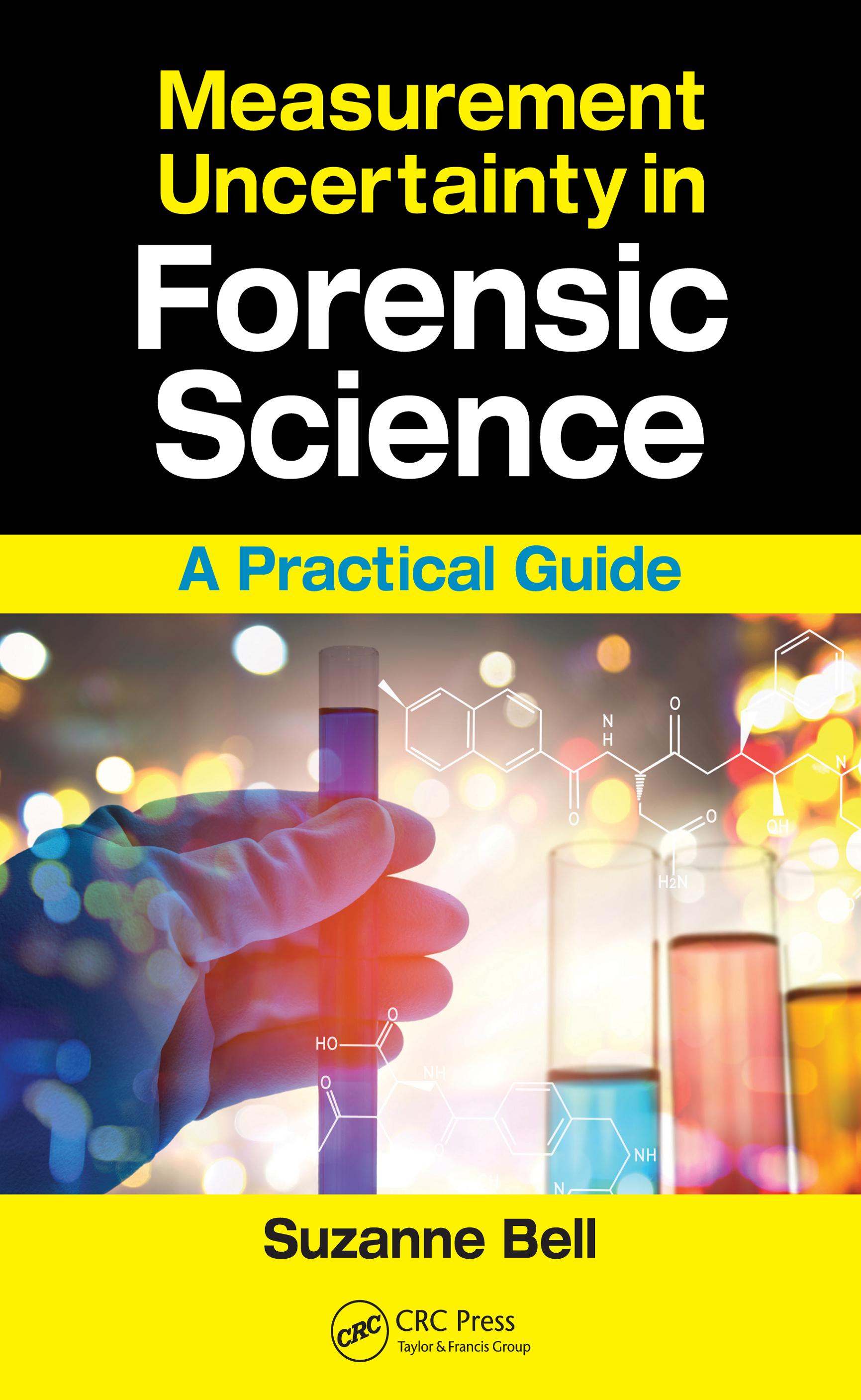
In the courtroom, critical and life-changing decisions are made based on quantitative forensic science data. There is often a range in which a measured value is expected to fall and, in this, an inherent uncertainty associated with such measurement. Uncertainty in this context is not error. In fact, estimations of uncertainty can add to the utility and reliability of quantitative results, be it the length of a firearm barrel, the weight of a drug sample, or the concentration of ethanol in blood.
Measurement Uncertainty in Forensic Science: A Practical Guide describes and defines the concepts related to such uncertainty in the forensic context. The book provides the necessary conceptual background and framework—a baseline—for developing and deploying reasonable and defensible uncertainty estimations across forensic disciplines. Information is presented conceptually, using easily understood examples, to provide a readable, handy reference for scientists in the laboratory, as well as investigators and legal professionals who require a basic understanding of the science underpinning measurement results.
Płać wygodnie kartą, Klarną, Apple Pay lub Google Pay. Nie jesteś zadowolony? Zawsze masz 14-dniową gwarancję zwrotu pieniędzy. Więcej przeczytasz w naszych warunkach. Masz pytania? Napisz do nas na hello@memmo.org.
Memmo ułatwia naukę – gdziekolwiek jesteś na świecie. U nas znajdziesz podręczniki i sprytne narzędzia do nauki w jednym miejscu: streszczenia, quizy, podcasty i fiszki. A do tego Ted, Twój kumpel do nauki, który odpowie na wszystko, co Cię nurtuje. Ponad 50 000 studentów już tu się uczy – stworzone, byś uczył się szybciej i mniej stresował.