
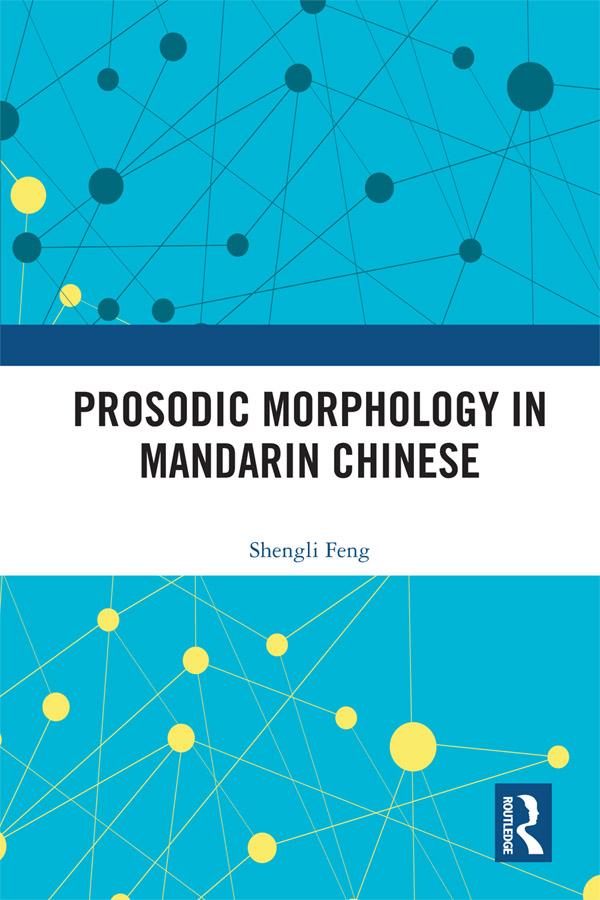
It is not entirely clear if modern Chinese is a monosyllabic or disyllabic language. Although a disyllabic prosodic unit of some sort has long been considered by many to be at play in Chinese grammar, the intuition is not always rigidly fleshed out theoretically in the area of Chinese morphology. In this book, Shengli Feng applies the theoretical model of prosodic morphology to Chinese morphology to provide the theoretical clarity regarding how and why Mandarin Chinese words are structured in a particular way. All of the facts generated by the system of prosodic morphology in Chinese provide new perspectives for linguistic theory, as well as insights for teaching Chinese and studying of Chinese poetic prosody.
Płać wygodnie kartą, Klarną, Apple Pay lub Google Pay. Nie jesteś zadowolony? Zawsze masz 14-dniową gwarancję zwrotu pieniędzy. Więcej przeczytasz w naszych warunkach. Masz pytania? Napisz do nas na hello@memmo.org.
Memmo ułatwia naukę – gdziekolwiek jesteś na świecie. U nas znajdziesz podręczniki i sprytne narzędzia do nauki w jednym miejscu: streszczenia, quizy, podcasty i fiszki. A do tego Ted, Twój kumpel do nauki, który odpowie na wszystko, co Cię nurtuje. Ponad 50 000 studentów już tu się uczy – stworzone, byś uczył się szybciej i mniej stresował.