
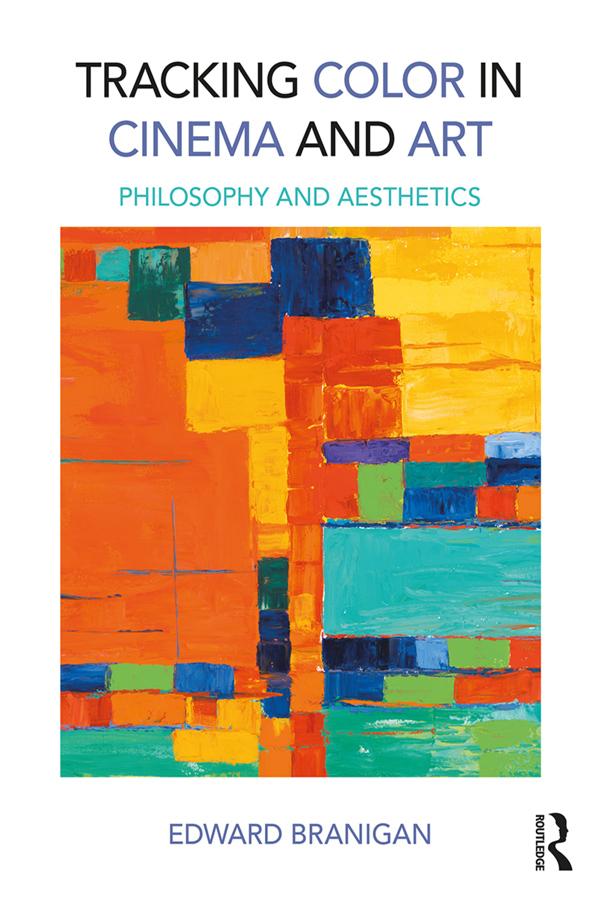
Color is one of cinema’s most alluring formal systems, building on a range of artistic traditions that orchestrate visual cues to tell stories, stage ideas, and elicit feelings. But what if color is not—or not only—a formal system, but instead a linguistic effect, emerging from the slipstream of our talk and embodiment in a world? This book develops a compelling framework from which to understand the mobility of color in art and mind, where color impressions are seen through, and even governed by, patterns of ordinary language use, schemata, memories, and narrative.
Edward Branigan draws on the work of Ludwig Wittgenstein and other philosophers who struggle valiantly with problems of color aesthetics, contemporary theories of film and narrative, and art-historical models of analysis. Examples of a variety of media, from American pop art to contemporary European cinema, illustrate a theory based on a spectator’s present-time tracking of temporal patterns that are firmly entwined with language use and social intelligence.
Płać wygodnie kartą, Klarną, Apple Pay lub Google Pay. Nie jesteś zadowolony? Zawsze masz 14-dniową gwarancję zwrotu pieniędzy. Więcej przeczytasz w naszych warunkach. Masz pytania? Napisz do nas na hello@memmo.org.
Memmo ułatwia naukę – gdziekolwiek jesteś na świecie. U nas znajdziesz podręczniki i sprytne narzędzia do nauki w jednym miejscu: streszczenia, quizy, podcasty i fiszki. A do tego Ted, Twój kumpel do nauki, który odpowie na wszystko, co Cię nurtuje. Ponad 50 000 studentów już tu się uczy – stworzone, byś uczył się szybciej i mniej stresował.