
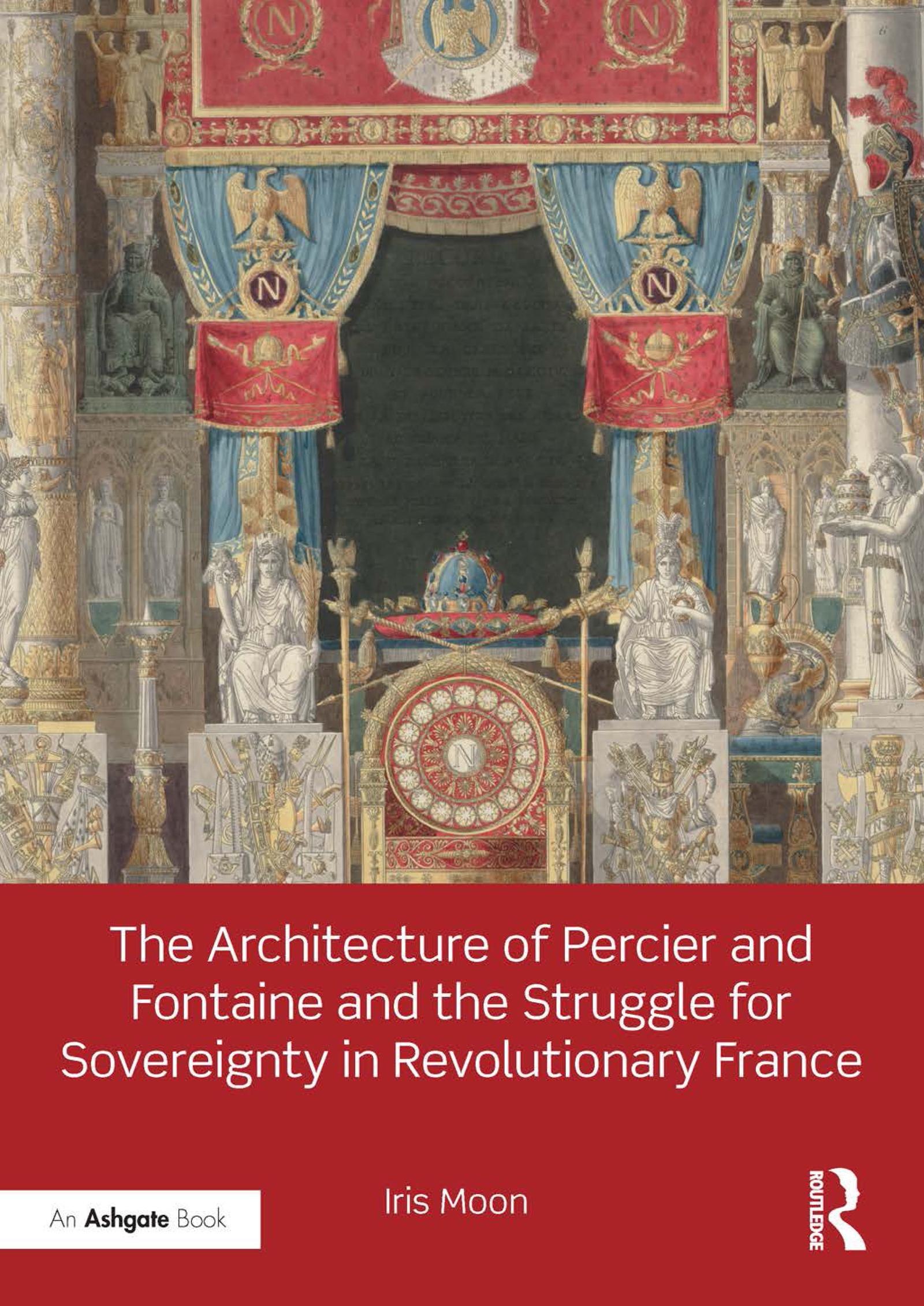
As the official architects of Napoleon, Charles Percier (1764–1838) and Pierre-François-Léonard Fontaine (1762–1853) designed interiors that responded to the radical ideologies and collective forms of destruction that took place during the French Revolution. The architects visualized new forms of imperial sovereignty by inverting the symbols of monarchy and revolution, constructing meeting rooms resembling military encampments and gilded thrones that replaced the Bourbon lily with Napoleonic bees. Yet in the wake of political struggle, each foundation stone that the architects laid for the new imperial regime was accompanied by an awareness of the contingent nature of sovereign power. Contributing fresh perspectives on the architecture, decorative arts, and visual culture of revolutionary France, this book explores how Percier and Fontaine’s desire to build structures of permanence and their inadvertent reliance upon temporary architectural forms shaped a new awareness of time, memory, and modern political identity in France.
Płać wygodnie kartą, Klarną, Apple Pay lub Google Pay. Nie jesteś zadowolony? Zawsze masz 14-dniową gwarancję zwrotu pieniędzy. Więcej przeczytasz w naszych warunkach. Masz pytania? Napisz do nas na hello@memmo.org.
Memmo ułatwia naukę – gdziekolwiek jesteś na świecie. U nas znajdziesz podręczniki i sprytne narzędzia do nauki w jednym miejscu: streszczenia, quizy, podcasty i fiszki. A do tego Ted, Twój kumpel do nauki, który odpowie na wszystko, co Cię nurtuje. Ponad 50 000 studentów już tu się uczy – stworzone, byś uczył się szybciej i mniej stresował.