
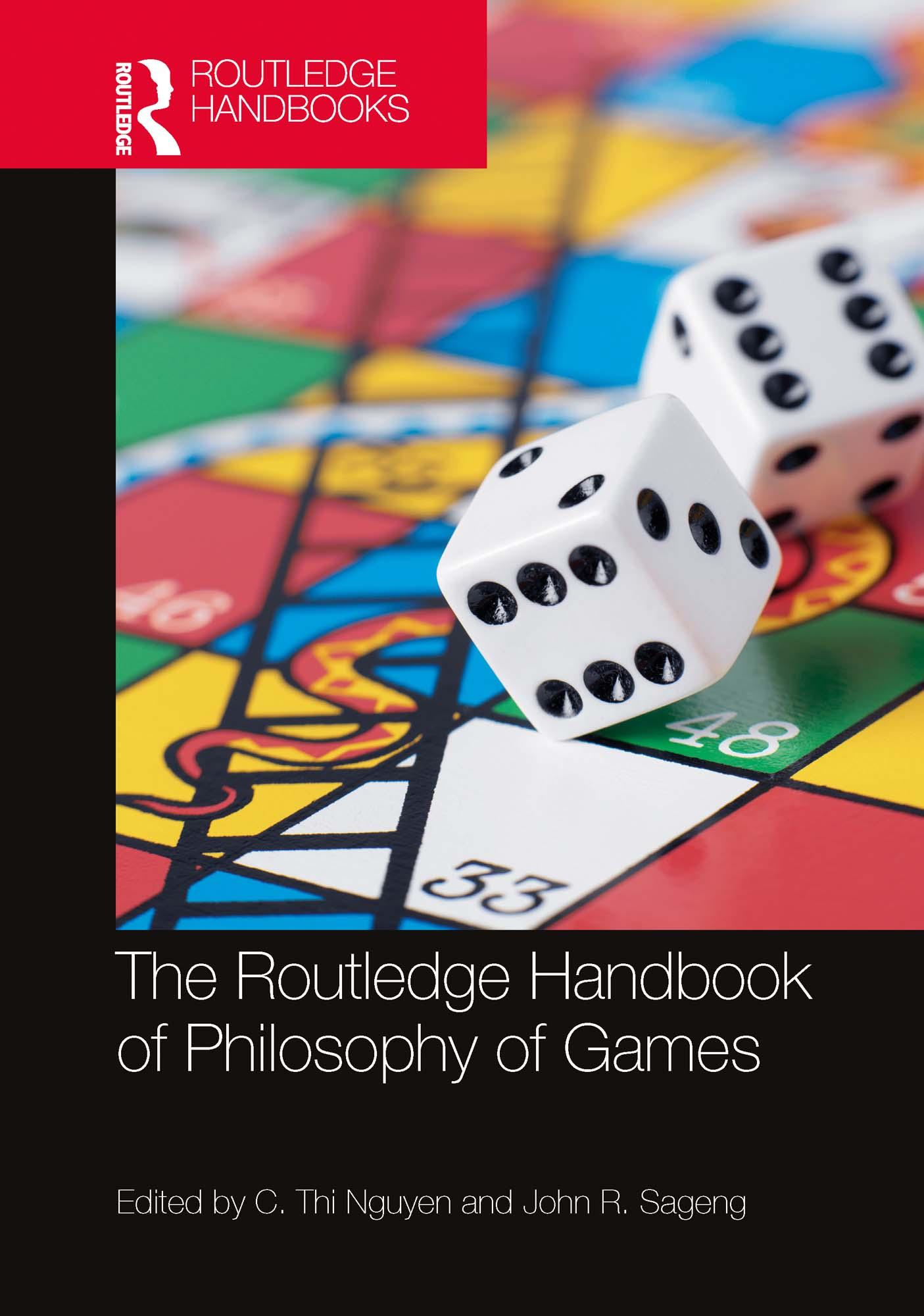
Playing games is a basic human activity, and games raise a great number of fascinating philosophical questions. What, exactly, are we doing when we play a game? What is the value of games for human life? What is the ontology of a game? And could games be, or someday become, a form of art?
Comprising twenty-seven chapters by an international team of contributors, The Routledge Handbook of Philosophy of Games is an outstanding reference source to the core concepts, problems and debates in this exciting subject, and is the first collection of its kind. Beginning with an Introduction by the editors, the Handbook is divided into five clear parts:
- Introduction and historical foundations
- Game ontology
- Play and players
- Aesthetics of games
- Ethics and values of games
Within these sections key topics are examined, including sport and games; rules in games; cheating in games; simulation; narrative in games; space in videogames; the nature of play; the body and play; avatars; the aesthetics of gameplay; violence; immersion; representation in games; race and gender in games; and many more.
The Routledge Handbook of Philosophy of Games is essential reading for students and researchers working in philosophy of games, philosophy of sport, digital aesthetics and game studies.
Płać wygodnie kartą, Klarną, Apple Pay lub Google Pay. Nie jesteś zadowolony? Zawsze masz 14-dniową gwarancję zwrotu pieniędzy. Więcej przeczytasz w naszych warunkach. Masz pytania? Napisz do nas na hello@memmo.org.
Memmo ułatwia naukę – gdziekolwiek jesteś na świecie. U nas znajdziesz podręczniki i sprytne narzędzia do nauki w jednym miejscu: streszczenia, quizy, podcasty i fiszki. A do tego Ted, Twój kumpel do nauki, który odpowie na wszystko, co Cię nurtuje. Ponad 50 000 studentów już tu się uczy – stworzone, byś uczył się szybciej i mniej stresował.