
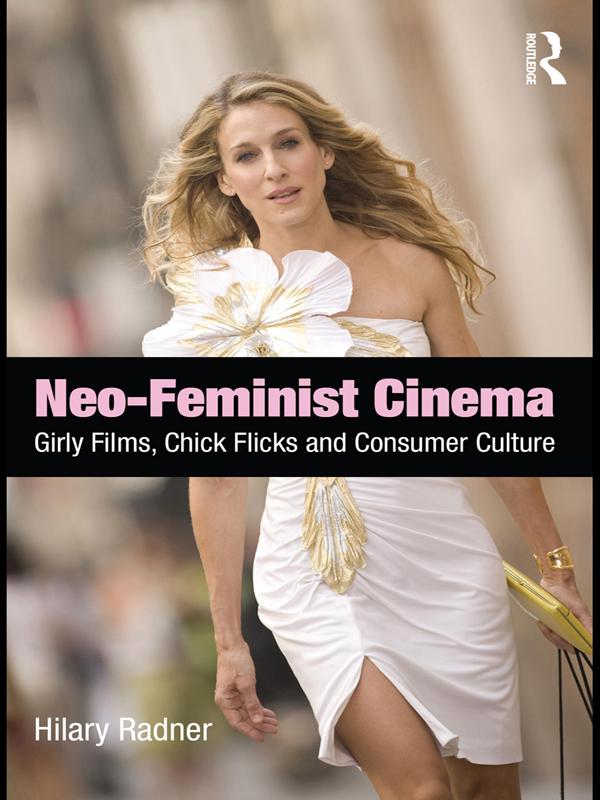
What lies behind current feminist discontent with contemporary cinema?
Through a combination of cultural and industry analysis, Hilary Radner’s Neo-Feminist Cinema: Girly Films, Chick Flicks and Consumer Culture shows how the needs of conglomerate Hollywood have encouraged an emphasis on consumer culture within films made for women. By exploring a number of representative "girly films," including Pretty Woman, Legally Blonde, Maid in Manhattan, The Devil Wears Prada, and Sex and the City: The Movie, Radner proposes that rather than being "post-feminist," as is usually assumed, such films are better described as "neo-feminist." Examining their narrative format, as it revolves around the story of an ambitious unmarried woman who defines herself through consumer culture as much as through work or romance, Radner argues that these films exemplify neo-liberalist values rather than those of feminism.
As such, Neo-Feminist Cinema offers a new explanation as to why feminist-oriented scholars and audiences who are seeking more than "labels and love" from their film experience have viewed recent "girly films" as a betrayal of second-wave feminism, and why, on the other hand, such films have proven to be so successful at the box office.
Płać wygodnie kartą, Klarną, Apple Pay lub Google Pay. Nie jesteś zadowolony? Zawsze masz 14-dniową gwarancję zwrotu pieniędzy. Więcej przeczytasz w naszych warunkach. Masz pytania? Napisz do nas na hello@memmo.org.
Memmo ułatwia naukę – gdziekolwiek jesteś na świecie. U nas znajdziesz podręczniki i sprytne narzędzia do nauki w jednym miejscu: streszczenia, quizy, podcasty i fiszki. A do tego Ted, Twój kumpel do nauki, który odpowie na wszystko, co Cię nurtuje. Ponad 50 000 studentów już tu się uczy – stworzone, byś uczył się szybciej i mniej stresował.