
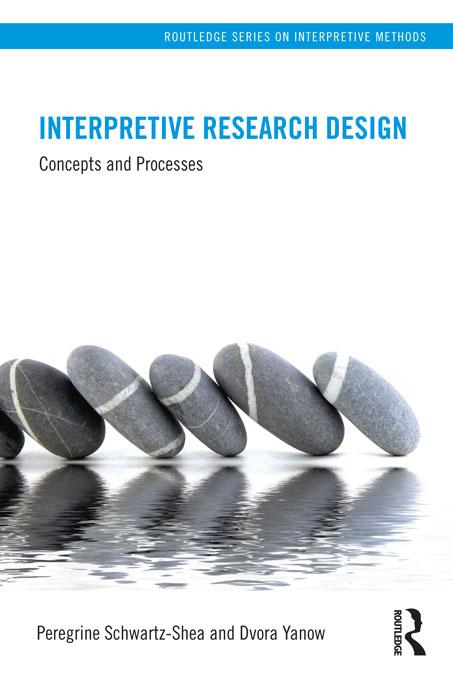
Research design is fundamental to all scientific endeavors, at all levels and in all institutional settings. In many social science disciplines, however, scholars working in an interpretive-qualitative tradition get little guidance on this aspect of research from the positivist-centered training they receive. This book is an authoritative examination of the concepts and processes underlying the design of an interpretive research project. Such an approach to design starts with the recognition that researchers are inevitably embedded in the intersubjective social processes of the worlds they study.
In focusing on researchers’ theoretical, ontological, epistemological, and methods choices in designing research projects, Schwartz-Shea and Yanow set the stage for other volumes in the Routledge Series on Interpretive Methods. They also engage some very practical issues, such as ethics reviews and the structure of research proposals. This concise guide explores where research questions come from, criteria for evaluating research designs, how interpretive researchers engage with "world-making," context, systematicity and flexibility, reflexivity and positionality, and such contemporary issues as data archiving and the researcher’s body in the field.
Płać wygodnie kartą, Klarną, Apple Pay lub Google Pay. Nie jesteś zadowolony? Zawsze masz 14-dniową gwarancję zwrotu pieniędzy. Więcej przeczytasz w naszych warunkach. Masz pytania? Napisz do nas na hello@memmo.org.
Memmo ułatwia naukę – gdziekolwiek jesteś na świecie. U nas znajdziesz podręczniki i sprytne narzędzia do nauki w jednym miejscu: streszczenia, quizy, podcasty i fiszki. A do tego Ted, Twój kumpel do nauki, który odpowie na wszystko, co Cię nurtuje. Ponad 50 000 studentów już tu się uczy – stworzone, byś uczył się szybciej i mniej stresował.