
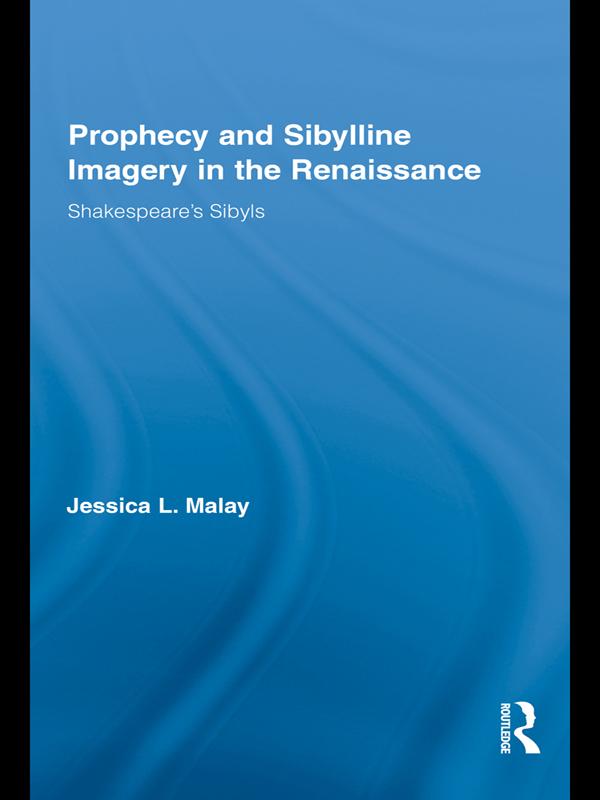
This book restores the rich tradition of the Sibyls to the position of prominence they once held in the culture and society of the English Renaissance. The sibyls — figures from classical antiquity — played important roles in literature, scholarship and art of the period, exerting a powerful authority due to their centuries-old connection to prophetic declamations of the coming of Christ and the Apocalypse. The identity of the sibyls, however, was not limited to this particular aspect of their fame, but contained a fluid multi-layering of meanings given their prominence in ancient Greek and Roman cultures, as well as the widespread dissemination of prophecies attributed the sibyls that circulated through the oral tradition. Sibylline prophecy of the Middle Ages served as another conduit through which sibylline authority, fame, and familiarity was transmitted and enhanced. Writers as disparate as John Foxe, John Dee, Thomas Churchyard, John Fletcher, Thomas Heywood, Jane Seager, John Lyly, An Collins, William Shakespeare, and many draw upon this shared sibylline tradition to produce particular and specific meanings in their writing. This book explores the many identities, the many faces, of the prophetic sibyls as they appear in the works of English Renaissance writers.
Płać wygodnie kartą, Klarną, Apple Pay lub Google Pay. Nie jesteś zadowolony? Zawsze masz 14-dniową gwarancję zwrotu pieniędzy. Więcej przeczytasz w naszych warunkach. Masz pytania? Napisz do nas na hello@memmo.org.
Memmo ułatwia naukę – gdziekolwiek jesteś na świecie. U nas znajdziesz podręczniki i sprytne narzędzia do nauki w jednym miejscu: streszczenia, quizy, podcasty i fiszki. A do tego Ted, Twój kumpel do nauki, który odpowie na wszystko, co Cię nurtuje. Ponad 50 000 studentów już tu się uczy – stworzone, byś uczył się szybciej i mniej stresował.