
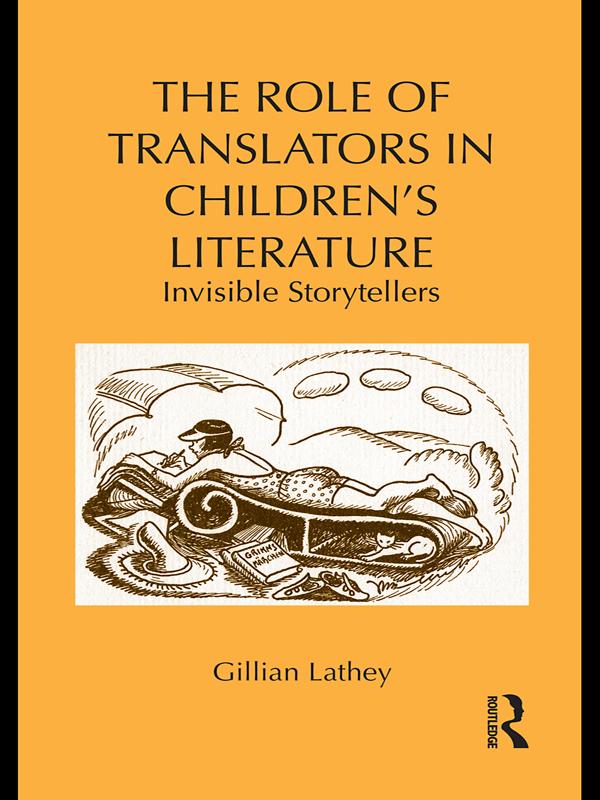
This book offers a historical analysis of key classical translated works for children, such as writings by Hans Christian Andersen and Grimms’ tales. Translations dominate the earliest history of texts written for children in English, and stories translated from other languages have continued to shape its course to the present day. Lathey traces the role of the translator and the impact of translations on the history of English-language children’s literature from the ninth century onwards. Discussions of popular texts in each era reveal fluctuations in the reception of translated children’s texts, as well as instances of cultural mediation by translators and editors. Abridgement, adaptation, and alteration by translators have often been viewed in a negative light, yet a closer examination of historical translators’ prefaces reveals a far more varied picture than that of faceless conduits or wilful censors. From William Caxton’s dedication of his translated History of Jason to young Prince Edward in 1477 (‘to thentent/he may begynne to lerne read Englissh’), to Edgar Taylor’s justification of the first translation into English of Grimms’ tales as a means of promoting children’s imaginations in an age of reason, translators have recorded in prefaces and other writings their didactic, religious, aesthetic, financial, and even political purposes for translating children’s texts.
Płać wygodnie kartą, Klarną, Apple Pay lub Google Pay. Nie jesteś zadowolony? Zawsze masz 14-dniową gwarancję zwrotu pieniędzy. Więcej przeczytasz w naszych warunkach. Masz pytania? Napisz do nas na hello@memmo.org.
Memmo ułatwia naukę – gdziekolwiek jesteś na świecie. U nas znajdziesz podręczniki i sprytne narzędzia do nauki w jednym miejscu: streszczenia, quizy, podcasty i fiszki. A do tego Ted, Twój kumpel do nauki, który odpowie na wszystko, co Cię nurtuje. Ponad 50 000 studentów już tu się uczy – stworzone, byś uczył się szybciej i mniej stresował.