
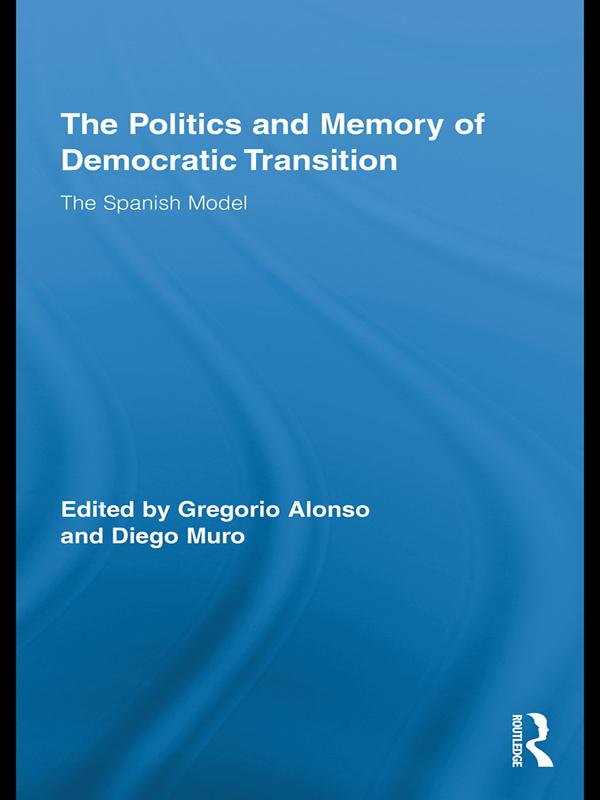
Most accounts on the Spanish transition to democracy of the late 1970s are based on a false dilemma. Its simplest formulation could be: was it the pressure from below, i.e. the organized working classes, students and neighbors associations that triggered political change; or was the elite settlement reached by the regime soft-liners and the moderate sectors of the democratic opposition that established it? This new and innovative volume appraises the movement towards a more democratic Spain from a variety of important perspectives; the collection of essays sheds light on the wide range of crucial processes, institutions and actors involved in the political transformation that operated in the Spanish instance of the Third Wave of democratization.
By making comparisons to other democratic transitions, synthesizing the ideas of several leading Spanish History scholars, as well as incorporating new voices involved in creating the directions of research to come, The Politics and Memory of Democratic Transition offers a thorough and vital look at this key period in contemporary Spanish history, taking stock of critical lessons to be gleaned from the Spanish Transition, and pointing the way toward its future as a democratic nation.
Płać wygodnie kartą, Klarną, Apple Pay lub Google Pay. Nie jesteś zadowolony? Zawsze masz 14-dniową gwarancję zwrotu pieniędzy. Więcej przeczytasz w naszych warunkach. Masz pytania? Napisz do nas na hello@memmo.org.
Memmo ułatwia naukę – gdziekolwiek jesteś na świecie. U nas znajdziesz podręczniki i sprytne narzędzia do nauki w jednym miejscu: streszczenia, quizy, podcasty i fiszki. A do tego Ted, Twój kumpel do nauki, który odpowie na wszystko, co Cię nurtuje. Ponad 50 000 studentów już tu się uczy – stworzone, byś uczył się szybciej i mniej stresował.