
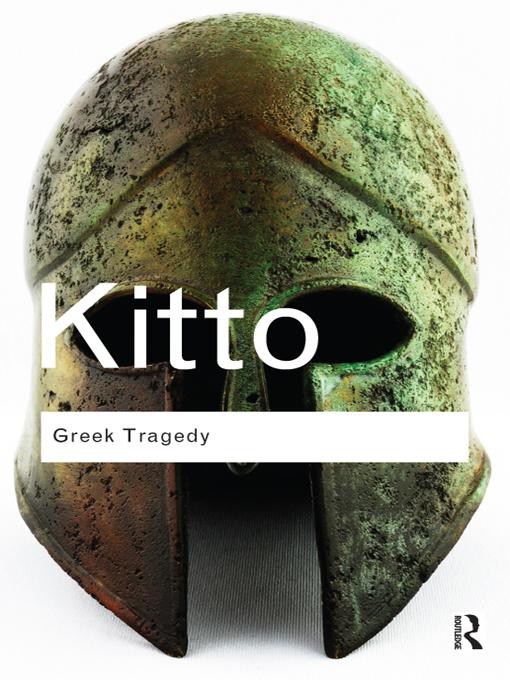
Why did Aeschylus characterize differently from Sophocles? Why did Sophocles introduce the third actor? Why did Euripides not make better plots? So asks H.D.F Kitto in his acclaimed study of Greek tragedy, available for the first time in Routledge Classics.
Kitto argues that in spite of dealing with big moral and intellectual questions, the Greek dramatist is above all an artist and the key to understanding classical Greek drama is to try and understand the tragic conception of each play. In Kitto’s words ‘We shall ask what the dramatist is striving to say, not what in fact he does say about this or that.’ Through a brilliant analysis of Aeschylus’s ‘Oresteia’, the plays of Sophocles including ‘Antigone’ and ‘Oedipus Tyrannus’; and Euripides’s ‘Medea’ and ‘Hecuba’, Kitto skilfully conveys the enduring artistic and literary brilliance of the Greek dramatists.
Płać wygodnie kartą, Klarną, Apple Pay lub Google Pay. Nie jesteś zadowolony? Zawsze masz 14-dniową gwarancję zwrotu pieniędzy. Więcej przeczytasz w naszych warunkach. Masz pytania? Napisz do nas na hello@memmo.org.
Memmo ułatwia naukę – gdziekolwiek jesteś na świecie. U nas znajdziesz podręczniki i sprytne narzędzia do nauki w jednym miejscu: streszczenia, quizy, podcasty i fiszki. A do tego Ted, Twój kumpel do nauki, który odpowie na wszystko, co Cię nurtuje. Ponad 50 000 studentów już tu się uczy – stworzone, byś uczył się szybciej i mniej stresował.