
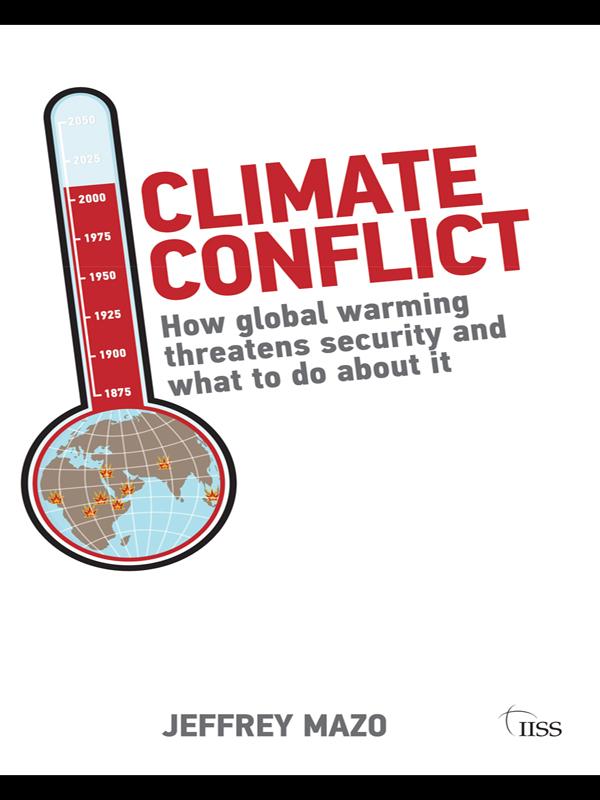
Climate change has been a key factor in the rise and fall of societies and states from prehistory to the recent fighting in the Sudanese state of Darfur. It drives instability, conflict and collapse, but also expansion and reorganisation. The ways cultures have met the climate challenge provide lessons for how the modern world can handle the new security threats posed by unprecedented global warming.
Combining historical precedents with current thinking on state stability, internal conflict and state failure suggests that overcoming cultural, social, political and economic barriers to successful adaptation to a changing climate is the most important factor in avoiding instability in a warming world. The countries which will face increased risk are not necessarily the most fragile, nor those which will suffer the greatest physical effects of climate change.
The global security threat posed by fragile and failing states is well known. It is in the interest of the world’s more affluent countries to take measures both to reduce the degree of global warming and climate change and to cushion the impact in those parts of the world where climate change will increase that threat. Neither course of action will be cheap, but inaction will be costlier. Providing the right kind of assistance to the people and places it is most needed is one way of reducing the cost, and understanding how and why different societies respond to climate change is one way of making that possible.
Płać wygodnie kartą, Klarną, Apple Pay lub Google Pay. Nie jesteś zadowolony? Zawsze masz 14-dniową gwarancję zwrotu pieniędzy. Więcej przeczytasz w naszych warunkach. Masz pytania? Napisz do nas na hello@memmo.org.
Memmo ułatwia naukę – gdziekolwiek jesteś na świecie. U nas znajdziesz podręczniki i sprytne narzędzia do nauki w jednym miejscu: streszczenia, quizy, podcasty i fiszki. A do tego Ted, Twój kumpel do nauki, który odpowie na wszystko, co Cię nurtuje. Ponad 50 000 studentów już tu się uczy – stworzone, byś uczył się szybciej i mniej stresował.