
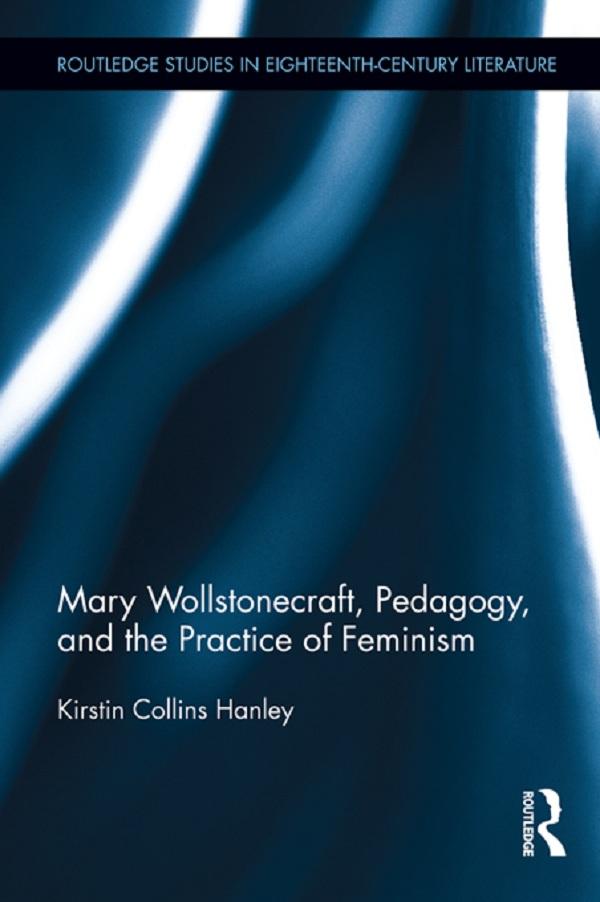
This study examines Mary Wollstonecraft—generally recognized as the founder of the early feminist movement—by shedding light on her contributions to eighteenth-century instructional literature, and feminist pedagogy in particular. While contemporary scholars have extensively theorized Wollstonecraft’s philosophical and polemic work, little attention has been given to her understanding and representation of feminist practice, most clearly exemplified in her instructional writing. This study makes a significant contribution to the fields of both eighteenth-century and Romantic Era literature by looking at how early feminism influenced didactic traditions from the late-eighteenth century to today. Hanley argues that Wollstonecraft constructs a paradigm of feminist pedagogy both in the texts’ representations of teaching and learning, and her own authorial approach in re-appropriating earlier texts and textual traditions. Wollstonecraft’s appropriations of Locke, Rousseau, and other educationists allow her to develop reading and writing pedagogies that promote critical thinking and gesture toward contemporary composition theories and practices. Hanley underscores the significance of Wollstonecraft as teacher and mentor by revisiting texts that are generally assigned a short space in the context of a larger discussion about her life and/or writing, re-presenting her works of instruction as meaningful both in their revisionist approaches to tradition and their normative didactic features.
Płać wygodnie kartą, Klarną, Apple Pay lub Google Pay. Nie jesteś zadowolony? Zawsze masz 14-dniową gwarancję zwrotu pieniędzy. Więcej przeczytasz w naszych warunkach. Masz pytania? Napisz do nas na hello@memmo.org.
Memmo ułatwia naukę – gdziekolwiek jesteś na świecie. U nas znajdziesz podręczniki i sprytne narzędzia do nauki w jednym miejscu: streszczenia, quizy, podcasty i fiszki. A do tego Ted, Twój kumpel do nauki, który odpowie na wszystko, co Cię nurtuje. Ponad 50 000 studentów już tu się uczy – stworzone, byś uczył się szybciej i mniej stresował.