
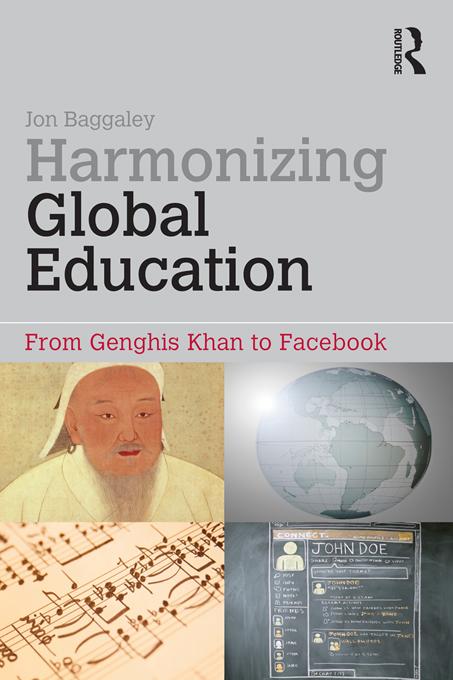
Distance education (DE) offers ways to reach the many people around the world who lack access to education and training by other means. International DE methods, however, are fragmented, and distance educators have often abandoned new technologies before giving them a chance to develop. As a result, many current DE tools and techniques are incompatible with the needs and cultures of different global regions. With the goal of designing efficient, relevant DE for worldwide audiences, Harmonizing Global Education invites scholars and practitioners to consider the historic development of technology-based education and communication studies, going back further in the literature than is often assumed necessary.
The book examines a wide range of historical ideas capable of shaping modern DE, including the Luddite Revolt among British textiles workers in 1811-12, the evolution of cubist art and musical aesthetics, and the visionary advances of early twentieth-century Soviet multimedia specialists. The author urges an awareness of previous generations of communications studies, and shows how audience research relating to traditional media can be relevant in the design of current internet-based and social media approaches. Today's open universities have grown from these earlier historical efforts, and the future success of open and distance education depends on learning from the successes and the failures of the past.
Płać wygodnie kartą, Klarną, Apple Pay lub Google Pay. Nie jesteś zadowolony? Zawsze masz 14-dniową gwarancję zwrotu pieniędzy. Więcej przeczytasz w naszych warunkach. Masz pytania? Napisz do nas na hello@memmo.org.
Memmo ułatwia naukę – gdziekolwiek jesteś na świecie. U nas znajdziesz podręczniki i sprytne narzędzia do nauki w jednym miejscu: streszczenia, quizy, podcasty i fiszki. A do tego Ted, Twój kumpel do nauki, który odpowie na wszystko, co Cię nurtuje. Ponad 50 000 studentów już tu się uczy – stworzone, byś uczył się szybciej i mniej stresował.