
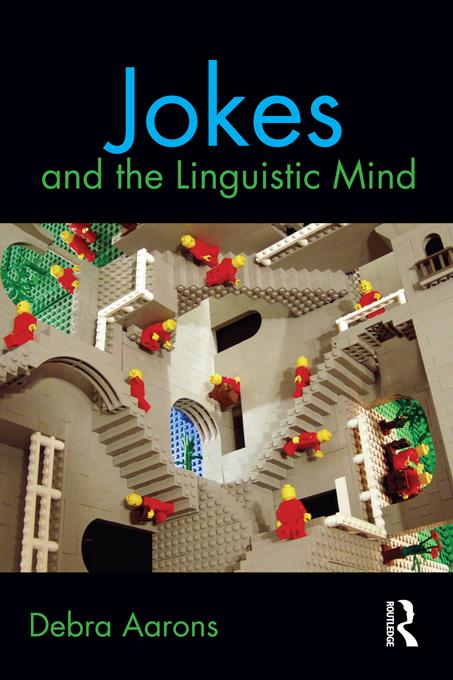
Through the lens of cognitive science, Jokes and the Linguistic Mind investigates jokes that play on some aspect of the structure and function of language. In so doing, Debra Aarons shows that these 'linguistic jokes' can evoke our tacit knowledge of the language we use. Analyzing hilarious examples from movies, plays and books, Jokes and the Linguistic Mind demonstrates that tacit linguistic knowledge must become conscious for linguistic jokes to be understood. The book examines jokes that exploit pragmatic, semantic, morphological, phonological and semantic features of language, as well as jokes that use more than one language and jokes that are about language itself. Additionally, the text explores the relationship between cryptic crossword clues and linguistic jokes in order to demonstrate the difference between tacit knowledge of language and rules of language use that are articulated for a particular purpose. With its use of jokes as data and its highly accessible explanations of complex linguistic concepts, this book is an engaging supplementary text for introductory courses in linguistics, psycholinguistics and cognitive science. It will also be of interest to scholars in translation studies, applied linguistics and philosophy of language.
Płać wygodnie kartą, Klarną, Apple Pay lub Google Pay. Nie jesteś zadowolony? Zawsze masz 14-dniową gwarancję zwrotu pieniędzy. Więcej przeczytasz w naszych warunkach. Masz pytania? Napisz do nas na hello@memmo.org.
Memmo ułatwia naukę – gdziekolwiek jesteś na świecie. U nas znajdziesz podręczniki i sprytne narzędzia do nauki w jednym miejscu: streszczenia, quizy, podcasty i fiszki. A do tego Ted, Twój kumpel do nauki, który odpowie na wszystko, co Cię nurtuje. Ponad 50 000 studentów już tu się uczy – stworzone, byś uczył się szybciej i mniej stresował.