
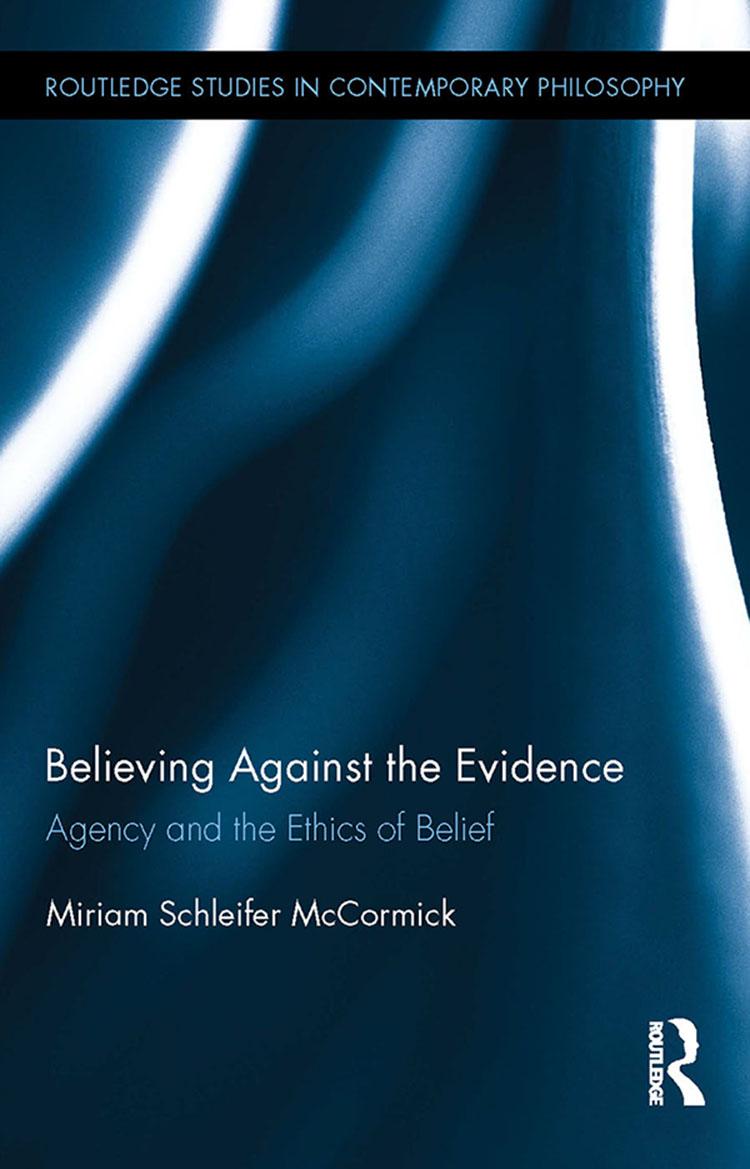
The question of whether it is ever permissible to believe on insufficient evidence has once again become a live question. Greater attention is now being paid to practical dimensions of belief, namely issues related to epistemic virtue, doxastic responsibility, and voluntarism.
In this book, McCormick argues that the standards used to evaluate beliefs are not isolated from other evaluative domains. The ultimate criteria for assessing beliefs are the same as those for assessing action because beliefs and actions are both products of agency. Two important implications of this thesis, both of which deviate from the dominant view in contemporary philosophy, are 1) it can be permissible (and possible) to believe for non-evidential reasons, and 2) we have a robust control over many of our beliefs, a control sufficient to ground attributions of responsibility for belief.
Płać wygodnie kartą, Klarną, Apple Pay lub Google Pay. Nie jesteś zadowolony? Zawsze masz 14-dniową gwarancję zwrotu pieniędzy. Więcej przeczytasz w naszych warunkach. Masz pytania? Napisz do nas na hello@memmo.org.
Memmo ułatwia naukę – gdziekolwiek jesteś na świecie. U nas znajdziesz podręczniki i sprytne narzędzia do nauki w jednym miejscu: streszczenia, quizy, podcasty i fiszki. A do tego Ted, Twój kumpel do nauki, który odpowie na wszystko, co Cię nurtuje. Ponad 50 000 studentów już tu się uczy – stworzone, byś uczył się szybciej i mniej stresował.