
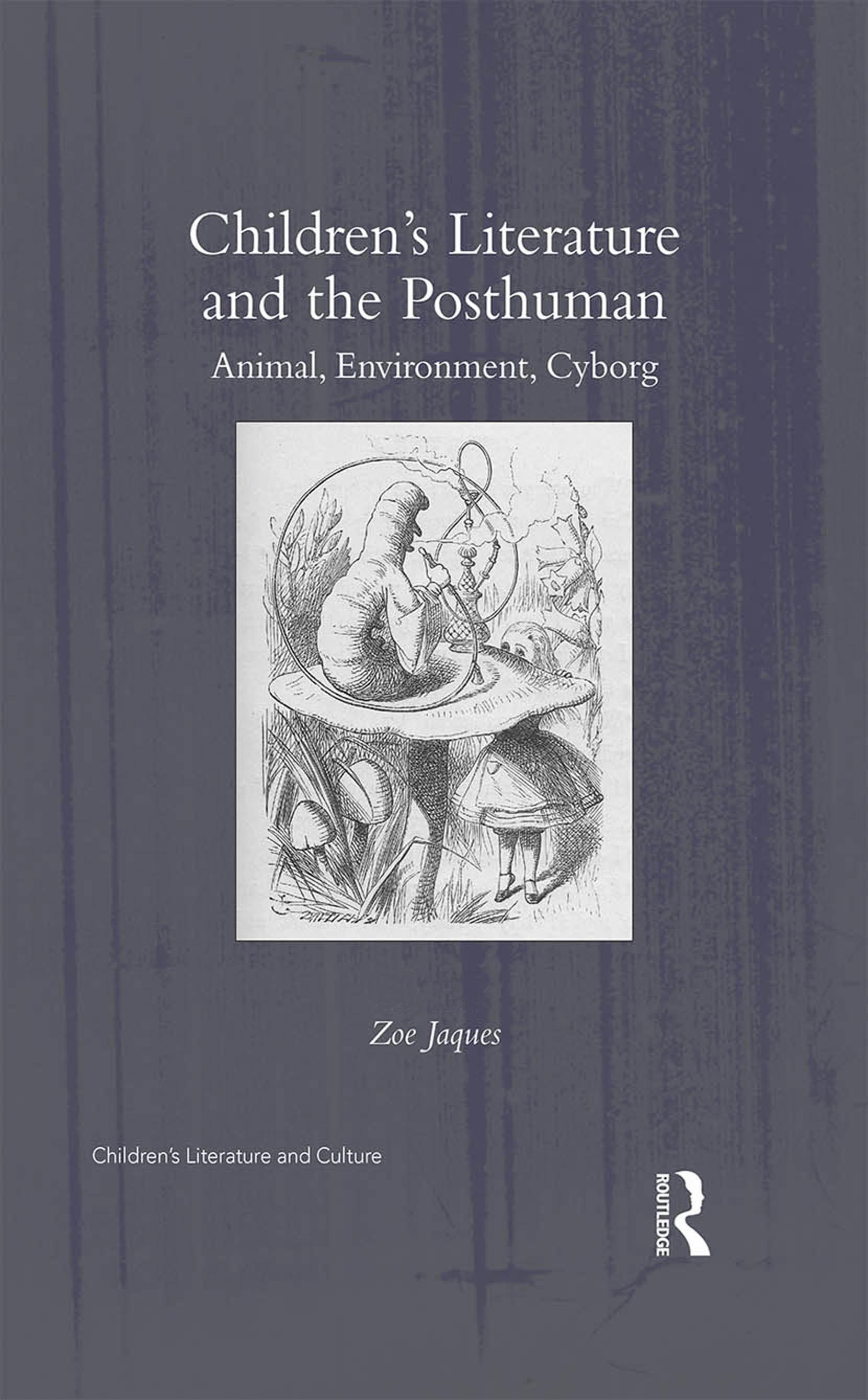
An investigation of identity formation in children's literature, this book brings together children’s literature and recent critical concerns with posthuman identity to argue that children’s fiction offers sophisticated interventions into debates about what it means to be human, and in particular about humanity’s relationship to animals and the natural world. In complicating questions of human identity, ecology, gender, and technology, Jaques engages with a multifaceted posthumanism to understand how philosophy can emerge from children's fantasy, disclosing how such fantasy can build upon earlier traditions to represent complex issues of humanness to younger audiences. Interrogating the place of the human through the non-human (whether animal or mechanical) leads this book to have interpretations that radically depart from the critical tradition, which, in its concerns with the socialization and representation of the child, has ignored larger epistemologies of humanness. The book considers canonical texts of children's literature alongside recent bestsellers and films, locating texts such as Gulliver’s Travels (1726), Pinocchio (1883) and the Alice books (1865, 1871) as important works in the evolution of posthuman ideas. This study provides radical new readings of children’s literature and demonstrates that the genre offers sophisticated interventions into the nature, boundaries and dominion of humanity.
Płać wygodnie kartą, Klarną, Apple Pay lub Google Pay. Nie jesteś zadowolony? Zawsze masz 14-dniową gwarancję zwrotu pieniędzy. Więcej przeczytasz w naszych warunkach. Masz pytania? Napisz do nas na hello@memmo.org.
Memmo ułatwia naukę – gdziekolwiek jesteś na świecie. U nas znajdziesz podręczniki i sprytne narzędzia do nauki w jednym miejscu: streszczenia, quizy, podcasty i fiszki. A do tego Ted, Twój kumpel do nauki, który odpowie na wszystko, co Cię nurtuje. Ponad 50 000 studentów już tu się uczy – stworzone, byś uczył się szybciej i mniej stresował.