
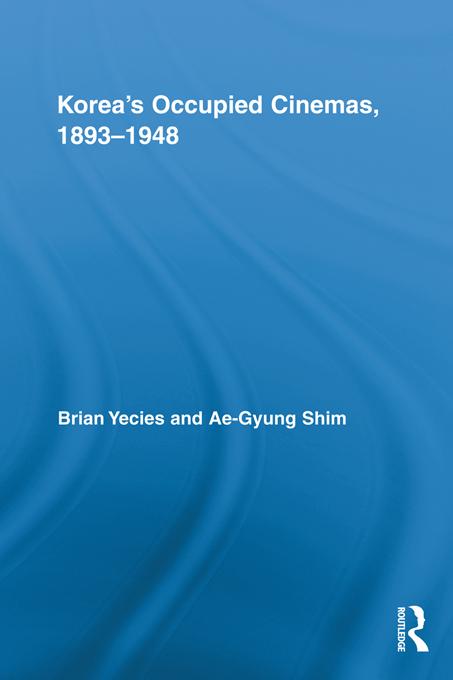
Korea’s Occupied Cinemas, 1893-1948 compares and contrasts the development of cinema in Korea during the Japanese occupation (1910-1945) and US Army Military (1945-1948) periods within the larger context of cinemas in occupied territories. It differs from previous studies by drawing links between the arrival in Korea of modern technology and ideas, and the cultural, political and social environment, as it follows the development of exhibition, film policy, and filmmaking from 1893 to 1948. During this time, Korean filmmakers seized every opportunity to learn production techniques and practice their skills, contributing to the growth of a national cinema despite the conditions produced by their occupation by colonial and military powers. At the same time, Korea served as an important territory for the global expansion of the American and Japanese film industries, and, after the late 1930s, Koreans functioned as key figures in the co-production of propaganda films that were designed to glorify loyalty to the Japanese Empire. For these reasons, and as a result of the tensions created by divided loyalties, the history of cinema in Korea is a far more dynamic story than simply that of a national cinema struggling to develop its own narrative content and aesthetics under colonial conditions.
Płać wygodnie kartą, Klarną, Apple Pay lub Google Pay. Nie jesteś zadowolony? Zawsze masz 14-dniową gwarancję zwrotu pieniędzy. Więcej przeczytasz w naszych warunkach. Masz pytania? Napisz do nas na hello@memmo.org.
Memmo ułatwia naukę – gdziekolwiek jesteś na świecie. U nas znajdziesz podręczniki i sprytne narzędzia do nauki w jednym miejscu: streszczenia, quizy, podcasty i fiszki. A do tego Ted, Twój kumpel do nauki, który odpowie na wszystko, co Cię nurtuje. Ponad 50 000 studentów już tu się uczy – stworzone, byś uczył się szybciej i mniej stresował.