
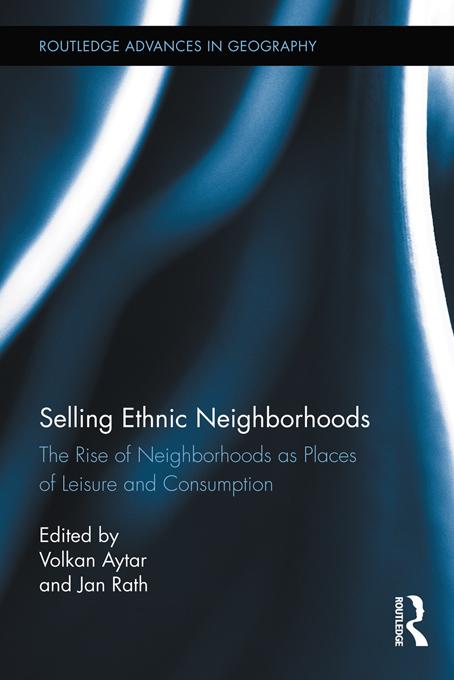
While ethnic neighborhoods are usually associated with poverty, crime and social problems, they have also emerged as places of leisure and consumption, providing opportunities for numerous entrepreneurs and employees. Local and national governments and other regulatory actors, as well as the media, have started to see and promote these neighborhoods as urban attractions for tourists, city dwellers and others. This book aims to analyze the roles of ethnic entrepreneurs and their associations and governments, and - by extension - of consumers and other actors in the rise of ethnic neighborhoods as places of leisure and consumption. Through case studies, it situates those neighborhoods at the edge of different theoretical debates about urban political economy and the politics of culture, and seeks a dynamic synergy between both.
Płać wygodnie kartą, Klarną, Apple Pay lub Google Pay. Nie jesteś zadowolony? Zawsze masz 14-dniową gwarancję zwrotu pieniędzy. Więcej przeczytasz w naszych warunkach. Masz pytania? Napisz do nas na hello@memmo.org.
Memmo ułatwia naukę – gdziekolwiek jesteś na świecie. U nas znajdziesz podręczniki i sprytne narzędzia do nauki w jednym miejscu: streszczenia, quizy, podcasty i fiszki. A do tego Ted, Twój kumpel do nauki, który odpowie na wszystko, co Cię nurtuje. Ponad 50 000 studentów już tu się uczy – stworzone, byś uczył się szybciej i mniej stresował.