
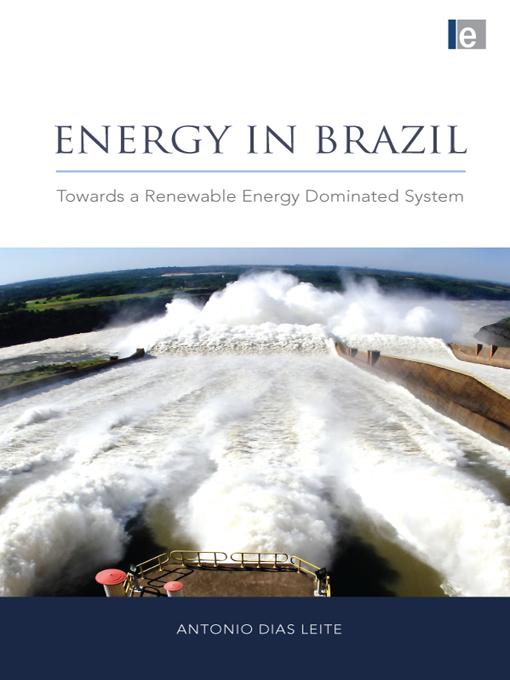
Rapidly developing countries such as China and India are the real main players in the climate debate, with the potential for massive increases in their carbon emissions in coming years. Brazil is often included in their number, yet this country is in fact notable for its exceptionally high reliance on energy from renewable sources - approaching 50%. However, the fact that much of this energy comes from hydropower and biofuels, and recent discoveries of massive oil reserves off of the Brazilian coast, are a recipe for controversy.
In this detailed account, Antonio Dias Leite sets out the development of Brazil's energy mix. Beginning with the history of energy provision and use, he then moves on to tackle the various sources in detail: hydropower, biomass and other renewables, as well as fossil fuels and nuclear power. In each case he examines growth, distribution, environmental and socio-economic issues (such as deforestation and displacement of indigenous communities) and potential for future development - highlighting what has worked, and what hasn't. The book ends by examining Brazilian approaches to energy efficiency, and by positioning Brazil in the world context.
This is a major contribution to the discussion around climate change mitigation that will be key reading for policymakers and researchers concerned with the future role and impacts of rapidly developing countries.
Płać wygodnie kartą, Klarną, Apple Pay lub Google Pay. Nie jesteś zadowolony? Zawsze masz 14-dniową gwarancję zwrotu pieniędzy. Więcej przeczytasz w naszych warunkach. Masz pytania? Napisz do nas na hello@memmo.org.
Memmo ułatwia naukę – gdziekolwiek jesteś na świecie. U nas znajdziesz podręczniki i sprytne narzędzia do nauki w jednym miejscu: streszczenia, quizy, podcasty i fiszki. A do tego Ted, Twój kumpel do nauki, który odpowie na wszystko, co Cię nurtuje. Ponad 50 000 studentów już tu się uczy – stworzone, byś uczył się szybciej i mniej stresował.