
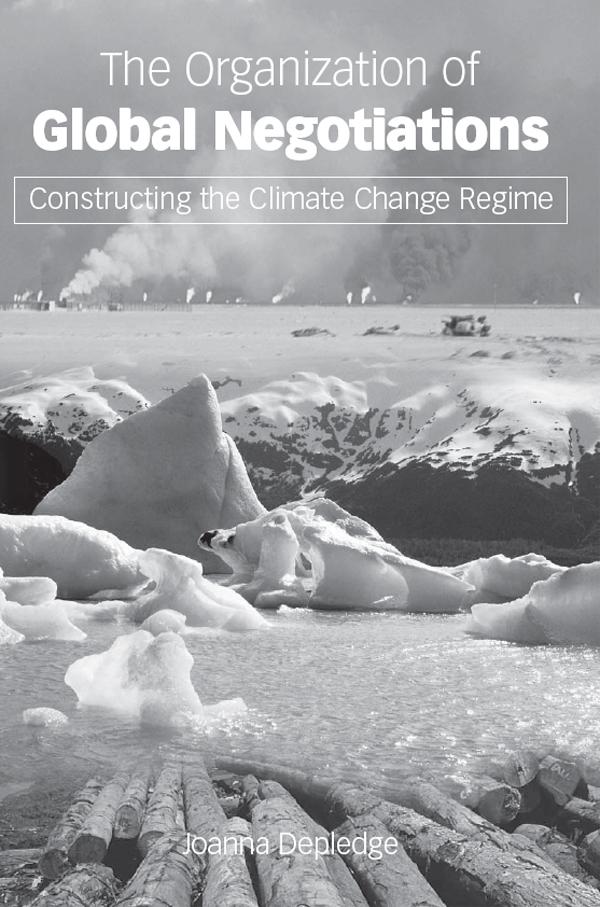
The basic assumption of this book is that the organization of a negotiation process matters.
The global negotiations on climate change involve over 180 countries and innumerable observers and other participants, addressing enormously complex and economically vital issues with conflicting agendas. For the UN to create an effective and well-supported international regime has required enormous and very skilful organization: factors such as the role of the Chair, the choice of negotiating arenas, the rules for the conduct of business and the approach of negotiating texts are usually taken for granted, and rarely attract attention until something goes wrong.
This book explores how the negotiations were organized to produce the Kyoto Protocol to the Climate Change Convention and the subsequent Bonn Agreements and Marrakesh Accords. The author draws out the lessons and implications for other intricate and far-reaching negotiations, not all of which have succeeded so far, such as the WTO trade negotiations at Seattle and Cancun.
This is essential reading for all participants in and organizers of international negotiations; and for researchers and students of international relations, climate change and environmental studies.
Płać wygodnie kartą, Klarną, Apple Pay lub Google Pay. Nie jesteś zadowolony? Zawsze masz 14-dniową gwarancję zwrotu pieniędzy. Więcej przeczytasz w naszych warunkach. Masz pytania? Napisz do nas na hello@memmo.org.
Memmo ułatwia naukę – gdziekolwiek jesteś na świecie. U nas znajdziesz podręczniki i sprytne narzędzia do nauki w jednym miejscu: streszczenia, quizy, podcasty i fiszki. A do tego Ted, Twój kumpel do nauki, który odpowie na wszystko, co Cię nurtuje. Ponad 50 000 studentów już tu się uczy – stworzone, byś uczył się szybciej i mniej stresował.