
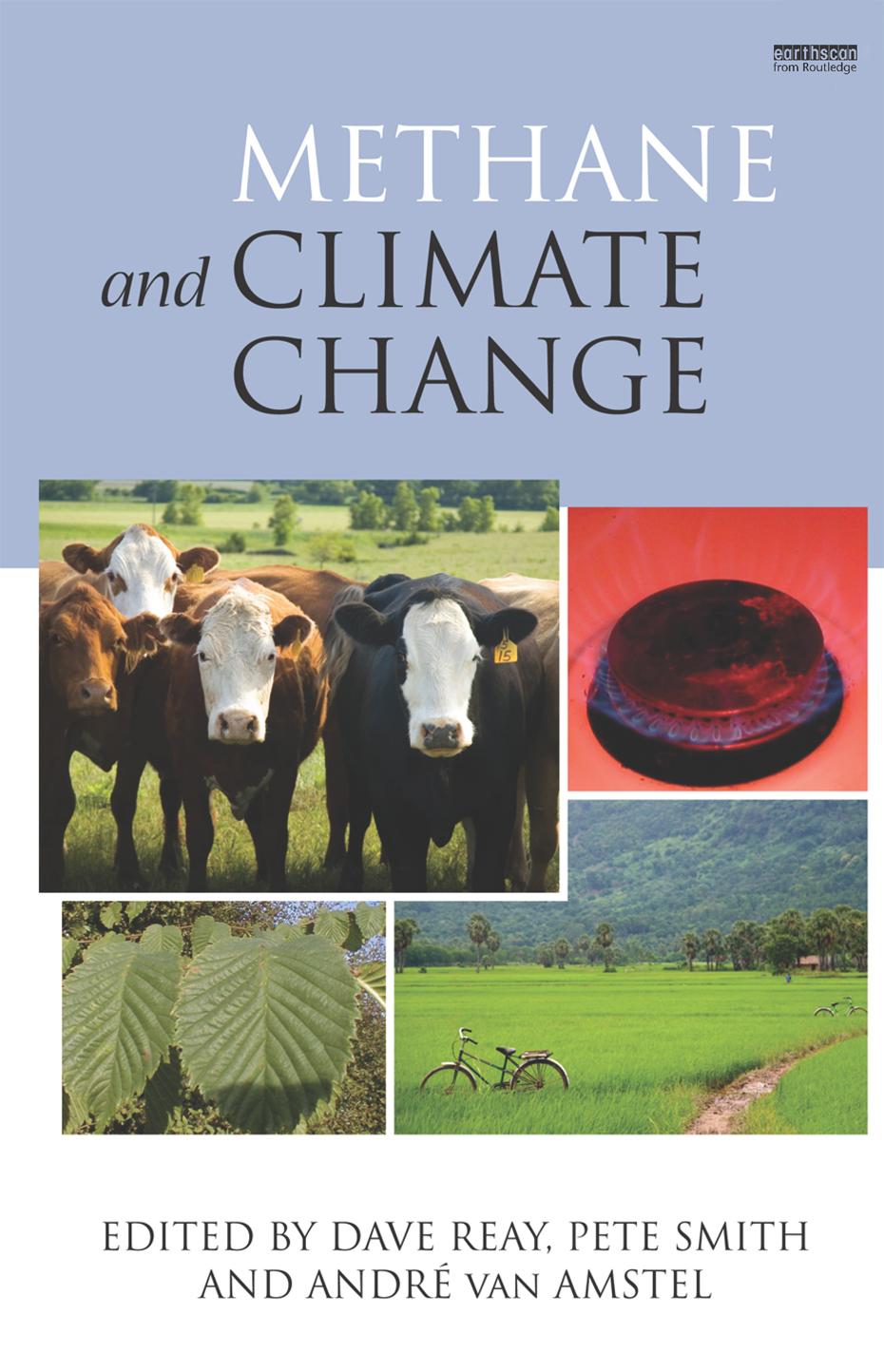
Methane is a powerful greenhouse gas and is estimated to be responsible for approximately one-fifth of man-made global warming. Per kilogram, it is 25 times more powerful than carbon dioxide over a 100-year time horizon -- and global warming is likely to enhance methane release from a number of sources. Current natural and man-made sources include many where methane-producing micro-organisms can thrive in anaerobic conditions, particularly ruminant livestock, rice cultivation, landfill, wastewater, wetlands and marine sediments.
This timely and authoritative book provides the only comprehensive and balanced overview of our current knowledge of sources of methane and how these might be controlled to limit future climate change. It describes how methane is derived from the anaerobic metabolism of micro-organisms, whether in wetlands or rice fields, manure, landfill or wastewater, or the digestive systems of cattle and other ruminant animals. It highlights how sources of methane might themselves be affected by climate change. It is shown how numerous point sources of methane have the potential to be more easily addressed than sources of carbon dioxide and therefore contribute significantly to climate change mitigation in the 21st century.
Płać wygodnie kartą, Klarną, Apple Pay lub Google Pay. Nie jesteś zadowolony? Zawsze masz 14-dniową gwarancję zwrotu pieniędzy. Więcej przeczytasz w naszych warunkach. Masz pytania? Napisz do nas na hello@memmo.org.
Memmo ułatwia naukę – gdziekolwiek jesteś na świecie. U nas znajdziesz podręczniki i sprytne narzędzia do nauki w jednym miejscu: streszczenia, quizy, podcasty i fiszki. A do tego Ted, Twój kumpel do nauki, który odpowie na wszystko, co Cię nurtuje. Ponad 50 000 studentów już tu się uczy – stworzone, byś uczył się szybciej i mniej stresował.