
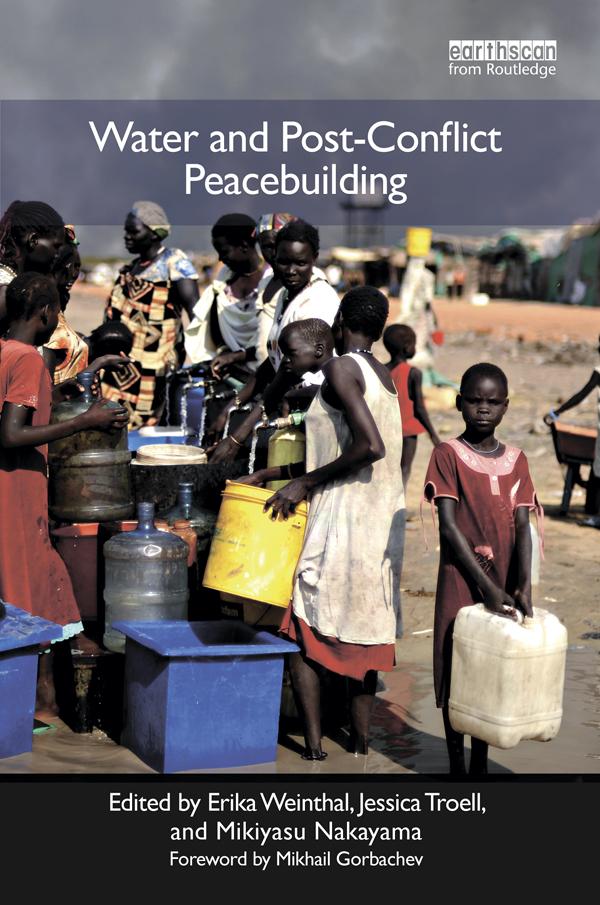
Water is a basic human need, and despite predictions of "water wars," shared waters have proven to be the natural resource with the greatest potential for interstate cooperation and local confidence building. Indeed, water management plays a singularly important role in rebuilding trust after conflict and in preventing a return to conflict.
Featuring nineteen case studies and analyses of experiences from twenty eight countries and territories in Africa, Asia, Europe, the Americas, and the Middle East, and drawing on the experiences of thirty-five researchers and practitioners from around the world, this book creates a framework for understanding how decisions governing water resources in post-conflict settings can facilitate or undermine peacebuilding. The lessons will be of value to practitioners in international development and humanitarian initiatives, policy makers, students, and others interested in post-conflict peacebuilding and the nexus between water management and conflict.
Water and Post-Conflict Peacebuilding is part of a global initiative to identify and analyze lessons in post-conflict peacebuilding and natural resource management. The project has generated six edited books of case studies and analyses, with contributions from practitioners, policy makers, and researchers. Other books in this series address high-value resources, land, livelihoods, assessing and restoring natural resources, and governance.
Płać wygodnie kartą, Klarną, Apple Pay lub Google Pay. Nie jesteś zadowolony? Zawsze masz 14-dniową gwarancję zwrotu pieniędzy. Więcej przeczytasz w naszych warunkach. Masz pytania? Napisz do nas na hello@memmo.org.
Memmo ułatwia naukę – gdziekolwiek jesteś na świecie. U nas znajdziesz podręczniki i sprytne narzędzia do nauki w jednym miejscu: streszczenia, quizy, podcasty i fiszki. A do tego Ted, Twój kumpel do nauki, który odpowie na wszystko, co Cię nurtuje. Ponad 50 000 studentów już tu się uczy – stworzone, byś uczył się szybciej i mniej stresował.