
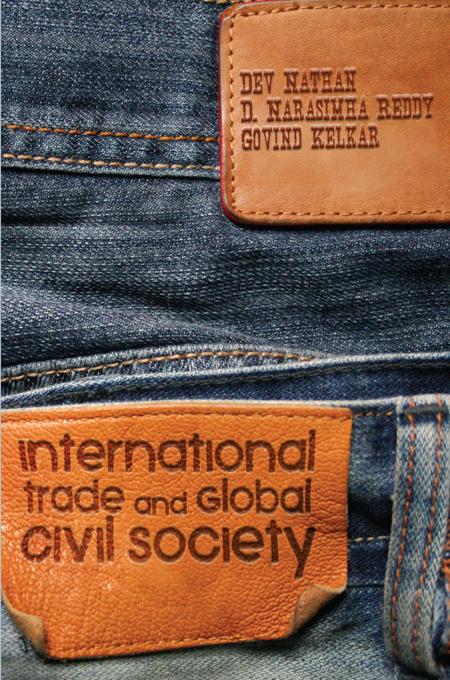
This study challenges the dominant tendency of civil society to negate international trade as such. The authors argue that it is necessary to frame differentiated trade rules based on levels of economic development, and also to shift from subsidies to shore up uncompetitive livelihoods to productivity-enhancing investments.Most importantly, the book ends with a case for trade unions, women's organizations and other civil society organizations to imagine and create themselves as being global -- in order to take up the challenge of strengthening global countervailing power to capital.
Płać wygodnie kartą, Klarną, Apple Pay lub Google Pay. Nie jesteś zadowolony? Zawsze masz 14-dniową gwarancję zwrotu pieniędzy. Więcej przeczytasz w naszych warunkach. Masz pytania? Napisz do nas na hello@memmo.org.
Memmo ułatwia naukę – gdziekolwiek jesteś na świecie. U nas znajdziesz podręczniki i sprytne narzędzia do nauki w jednym miejscu: streszczenia, quizy, podcasty i fiszki. A do tego Ted, Twój kumpel do nauki, który odpowie na wszystko, co Cię nurtuje. Ponad 50 000 studentów już tu się uczy – stworzone, byś uczył się szybciej i mniej stresował.
Może Ci się spodobać
Kup książkę0