
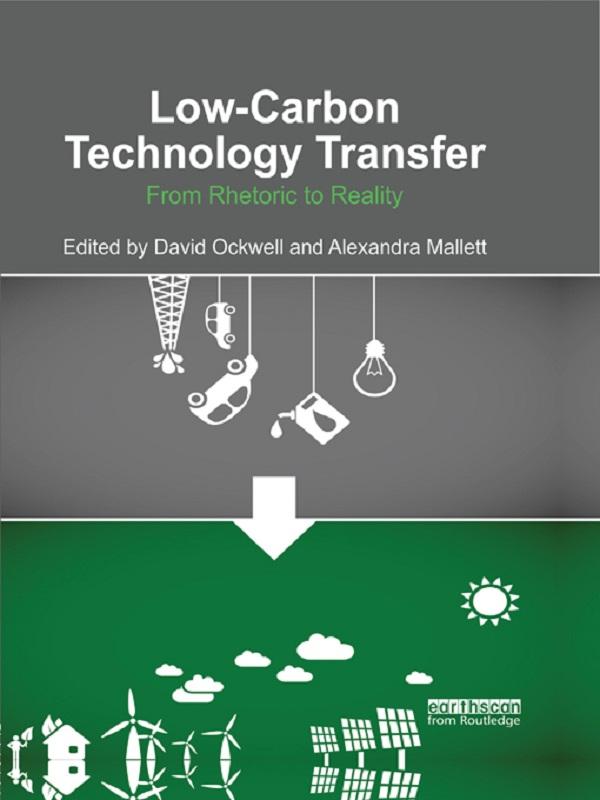
Low carbon technology transfer to developing countries has been both a lynchpin of, and a key stumbling block to a global deal on climate change. This book brings together for the first time in one place the work of some of the world's leading contemporary researchers in this field. It provides a practical, empirically grounded guide for policy makers and practitioners, while at the same time making new theoretical advances in combining insights from the literature on technology transfer and the literature on low carbon innovation.
The book begins by summarizing the nature of low carbon technology transfer and its contemporary relevance in the context of climate change, before introducing a new theoretical framework through which effective policy mechanisms can be analyzed. The north-south, developed-developing country differences and synergies are then introduced together with the relevant international policy context. Uniquely, the book also introduces questions around the extent to which current approaches to technology transfer under the international policy regime might be considered to be 'pro-poor'. Throughout, the book draws on cutting edge empirical work to illustrate the insights it affords. The book concludes by setting out constructive ways forward towards delivering on existing international commitments in this area, including practical tools for decision makers.
Płać wygodnie kartą, Klarną, Apple Pay lub Google Pay. Nie jesteś zadowolony? Zawsze masz 14-dniową gwarancję zwrotu pieniędzy. Więcej przeczytasz w naszych warunkach. Masz pytania? Napisz do nas na hello@memmo.org.
Memmo ułatwia naukę – gdziekolwiek jesteś na świecie. U nas znajdziesz podręczniki i sprytne narzędzia do nauki w jednym miejscu: streszczenia, quizy, podcasty i fiszki. A do tego Ted, Twój kumpel do nauki, który odpowie na wszystko, co Cię nurtuje. Ponad 50 000 studentów już tu się uczy – stworzone, byś uczył się szybciej i mniej stresował.