
Zanim poznałem Memmo, moje notatki były rozrzucone po PDF-ach. Teraz obszar roboczy zbiera wszystko w jednym miejscu — widzę dokładnie, co jeszcze muszę powtórzyć.
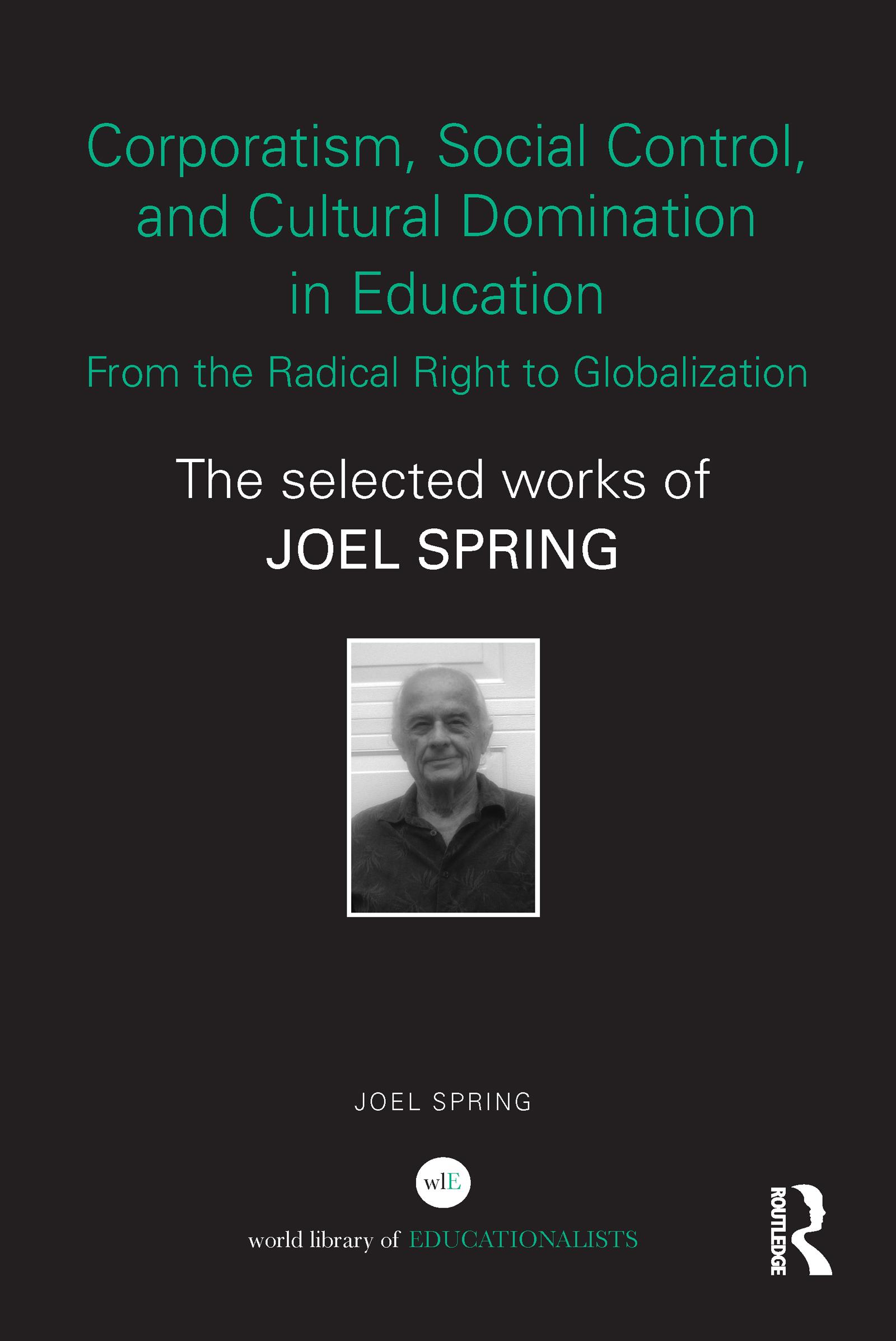
Starting with the 1972 publication of his seminal work, Education and the Rise of the Corporate State, Joel Spring has been documenting and analyzing the politics of knowledge and education. Throughout his work he has explored the attempts to use education to advance the economic and political interests of dominant groups. The general term he uses for the relationship between schools and power is "ideological management." His scholarly work first looked at the influence on American schooling of business and economic doctrines embodied in human capital theories and consumerism. The next step in his exploration of the politics of knowledge was to examine these issues in the context of globalization, leading to a proposed educational rights amendment to national constitutions and a new paradigm for education, both of which might ensure that schools are protected from ideological management by economic and political elites. Spring’s indigenous background has strongly shaped his interest in the political and economic goals of schooling, particularly the attempts of those in power to use schools to destroy indigenous languages and cultures.
In this collection, Spring brings together 10 of his key writings, providing an overview not just of his own career but the larger contexts in which it is situated. In the Introduction he reviews the evolution and scope of his work and his earlier arguments and reflects on its central themes, which are reflected in the writings selected for this volume.
In the World Library of Educationalists, international scholars themselves compile career-long collections of what they judge to be their finest pieces – extracts from books, key articles, salient research findings, major theoretical and/practical contributions – so the world can read them in a single manageable volume. Readers will be able to follow the themes and strands of their work and see their contribution to the development of a field, as well as the development of the field itself. Contributors to the series include: Michael Apple, James A. Banks, Stephen J. Ball, Elliot Eisner, Howard Gardner, John Gilbert, Ivor F. Goodson, Peter Jarvis.
Zanim poznałem Memmo, moje notatki były rozrzucone po PDF-ach. Teraz obszar roboczy zbiera wszystko w jednym miejscu — widzę dokładnie, co jeszcze muszę powtórzyć.
Podsumowania Memmo to złoto przed egzaminami. Nie muszę czytać 800 stron dwa tygodnie wcześniej — tylko to, co najważniejsze.
Czat AI uratował mnie niejeden raz w noc przed egzaminem. Pytam, dopóki nie zrozumiem — i nie muszę czekać na odpowiedź od grupy studyjnej.
Quizy trafiają w punkt, jeśli chodzi o to, co muszę wiedzieć. Memmo śledzi, na czym się zacinam — więc ćwiczę tylko to, co naprawdę się liczy.
Fiszki z powtórkami rozłożonymi w czasie to magia. Memmo wie, kiedy mam coś zapomnieć i przypomina mi o tym.
Podcasty AI to mój faworyt. Słucham w drodze do szkoły i powtarzam materiał, nie siedząc przed komputerem.

Handbok i kvalitativa metoder
281 kr

Hållbar utveckling: en introduktion för ingenjörer och andra problemlösare
334 kr

Brymans Samhällsvetenskapliga metoder
390 kr

Projektledning
491 kr

Den orättvisa hälsan: om socioekonomiska skillnader i hälsa och livslängd
326 kr

Organizational Leadership
429 kr

Vetenskapsteori för nybörjare
196 kr

På väg mot läraryrket
172 kr

Det sociala livet i skolan: Socialpsykologiska perspektiv
253 kr

Betygsättningens didaktik
151 kr

Personality
402 kr

Studying Leadership
404 kr

Managing Innovation
477 kr

Introduktion till samhällsvetenskaplig metod
347 kr

The Psychology of Sex and Gender
698 kr

Evidens och kunskap för socialt arbete
207 kr

Introduction to Leadership
605 kr