
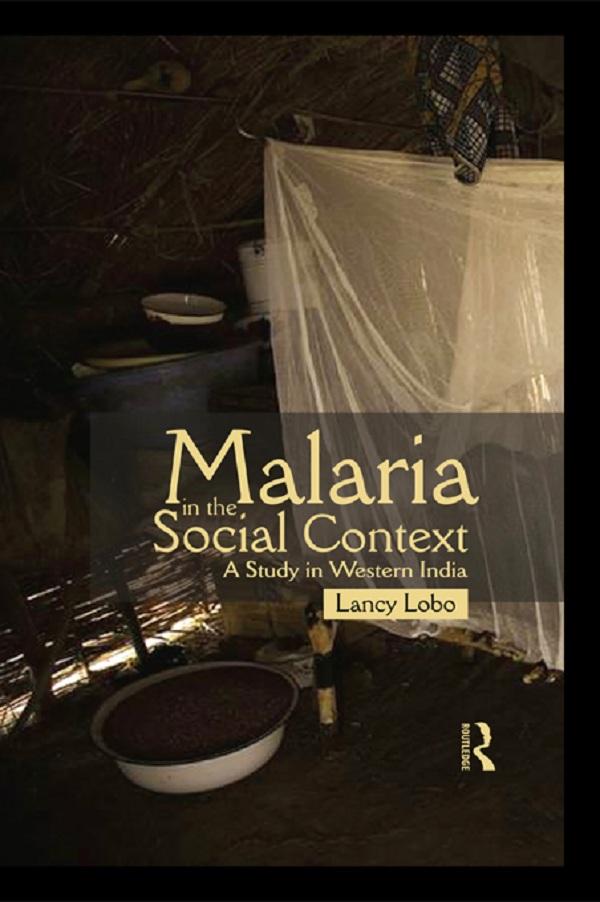
This book underscores how, apart from bacteriological factors, human behavioural characteristics as well as the socio-cultural factors that affect people’s lives contribute to the risk for and prevention of infection, with particular focus on malaria. It argues that the implementation of malaria-control measures can be successful only if it considers the human response to malaria and control measures. Any new tool which is introduced in a particular area — be it a new vaccine, a new drug combination, the promotion of impregnated bed nets, spraying of insecticides, or improved home management — will be effective and sustainable only if it is adapted to needs of the local population, i.e., if it makes sense to them.
This volume also studies traditional knowledge systems with respect to health and malaria, arguing that local knowledge about infection is the result of an amalgamation of the biomedical and the traditional. By attempting to identify how traditional and biomedical elements interrelate in local illness concepts, it hopes to assist health interventionists in providing efficacious health education and awareness among people.
Płać wygodnie kartą, Klarną, Apple Pay lub Google Pay. Nie jesteś zadowolony? Zawsze masz 14-dniową gwarancję zwrotu pieniędzy. Więcej przeczytasz w naszych warunkach. Masz pytania? Napisz do nas na hello@memmo.org.
Memmo ułatwia naukę – gdziekolwiek jesteś na świecie. U nas znajdziesz podręczniki i sprytne narzędzia do nauki w jednym miejscu: streszczenia, quizy, podcasty i fiszki. A do tego Ted, Twój kumpel do nauki, który odpowie na wszystko, co Cię nurtuje. Ponad 50 000 studentów już tu się uczy – stworzone, byś uczył się szybciej i mniej stresował.