
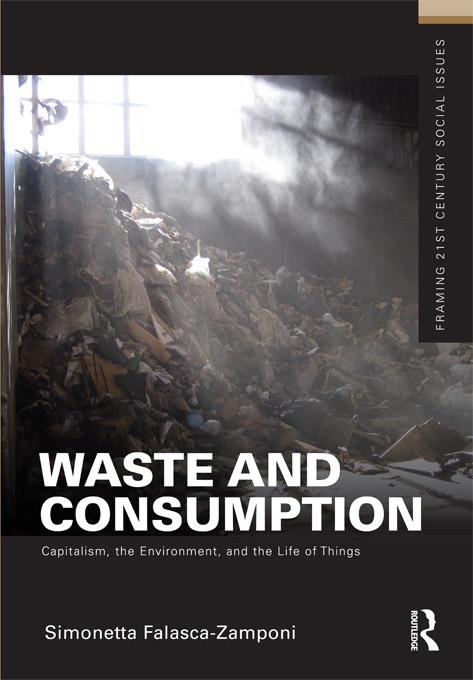
This book examines the link between waste and consumption through a cultural approach that integrates environmental concerns with reflections on the role that consumption has come to occupy in our contemporary capitalist societies. The mutual relationship between capitalism and consumption is addressed along with early critiques of industrialization that exposed environmental problems. Toxic waste and its illegal dumping are examined, along with the problem of abuse of poorere areas and nations when it comes to disposing of toxic material. The question of solutions to the problems created by consumption and waste is raised and the claim is advanced that we do not necessarily need to stop being consumers. This timely book can be used in introductory sociology, social problems, and classes on environment and sustainability.
This book is part of the Framing 21st Century Social Issues Series which offers readable, teachable "thinking frames" on today’s social problems and social issues by leading scholars, all in short 60 page or shorter formats, and available for view on http://routledge.customgateway.com/routledge-social-issues.html.
For instructors teaching a wide range of courses in the social sciences, the Routledge Social Issues Collection now offers the best of both worlds: originally written short texts that provide "overviews" to important social issues as well as teachable excerpts from larger works previously published by Routledge and other presses.
Płać wygodnie kartą, Klarną, Apple Pay lub Google Pay. Nie jesteś zadowolony? Zawsze masz 14-dniową gwarancję zwrotu pieniędzy. Więcej przeczytasz w naszych warunkach. Masz pytania? Napisz do nas na hello@memmo.org.
Memmo ułatwia naukę – gdziekolwiek jesteś na świecie. U nas znajdziesz podręczniki i sprytne narzędzia do nauki w jednym miejscu: streszczenia, quizy, podcasty i fiszki. A do tego Ted, Twój kumpel do nauki, który odpowie na wszystko, co Cię nurtuje. Ponad 50 000 studentów już tu się uczy – stworzone, byś uczył się szybciej i mniej stresował.