
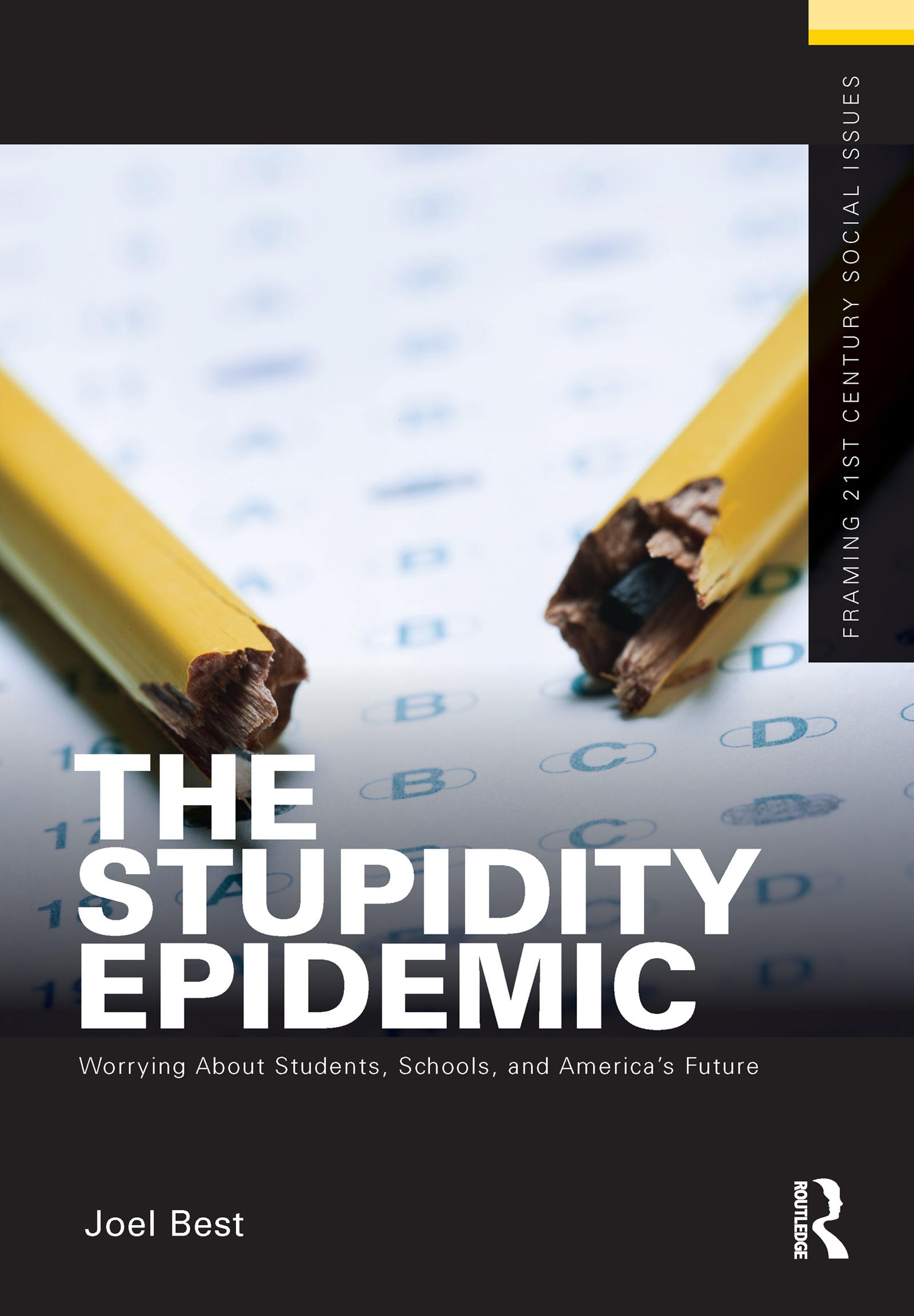
Critics often warn that American schools are failing, and that our students are ill-prepared for the challenges the future holds, and may even be "the dumbest generation." We can think of these claims as warning about a Stupidity Epidemic. This essay begins by tracing the history of the idea of that American students, teachers, and schools are somehow getting worse; the record shows that critics have been issuing such warnings for more than 150 years. It then examines four sets of data that speak to whether educational deterioration is taking place. First, data on educational attainment show a clear trend: more students are getting more education. Second, standardized test scores suggest that American students are performing somewhat better; certainly most test scores do not indicate that students are getting worse. Third, measures of popular knowledge also show evidence of improvement. Fourth, there is clear evidence that IQ scores have been rising. In other words, the best available evidence fails to support claims about a Stupidity Epidemic. The essay then turns to exploring several reasons why belief in educational decline is so common, and concludes by suggesting some more useful ways to think about educational problems.
The goal of this new, unique Series is to offer readable, teachable "thinking frames" on today’s social problems and social issues by leading scholars, all in short 60 page or shorter formats, and available for view on http://routledge.customgateway.com/routledge-social-issues.html
For instructors teaching a wide range of courses in the social sciences, the Routledge Social Issues Collection now offers the best of both worlds: originally written short texts that provide "overviews" to important social issues as well as teachable excerpts from larger works previously published by Routledge and other presses.
Płać wygodnie kartą, Klarną, Apple Pay lub Google Pay. Nie jesteś zadowolony? Zawsze masz 14-dniową gwarancję zwrotu pieniędzy. Więcej przeczytasz w naszych warunkach. Masz pytania? Napisz do nas na hello@memmo.org.
Memmo ułatwia naukę – gdziekolwiek jesteś na świecie. U nas znajdziesz podręczniki i sprytne narzędzia do nauki w jednym miejscu: streszczenia, quizy, podcasty i fiszki. A do tego Ted, Twój kumpel do nauki, który odpowie na wszystko, co Cię nurtuje. Ponad 50 000 studentów już tu się uczy – stworzone, byś uczył się szybciej i mniej stresował.