
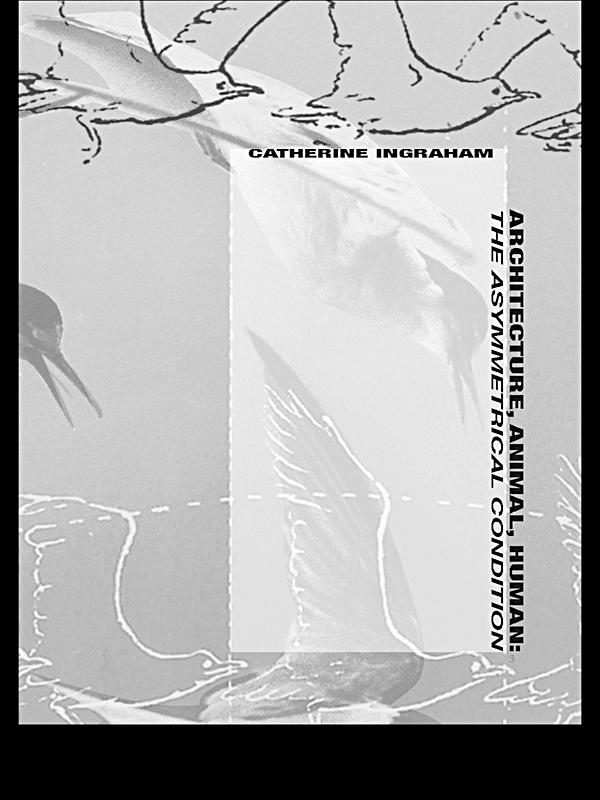
This book looks at specific instances in the Renaissance, Enlightenment and our own time when architectural ideas and ideas of biological life come into close proximity with each other. These convergences are fascinating and complex, offering new insights into architecture and its role. Establishing architecture as a product of the ascendancy of the position of human life, the author shows here that while architecture is dependent on life forces for its existence, at the same time it must be, at some level, indifferent to the life within it. Life, for its part, privileges itself above all else, and seeks to continuously expand its field of expression. This, then, is the asymmetrical condition, and to understand it is to gain important new theoretical perspectives into the nature of architecture.
Płać wygodnie kartą, Klarną, Apple Pay lub Google Pay. Nie jesteś zadowolony? Zawsze masz 14-dniową gwarancję zwrotu pieniędzy. Więcej przeczytasz w naszych warunkach. Masz pytania? Napisz do nas na hello@memmo.org.
Memmo ułatwia naukę – gdziekolwiek jesteś na świecie. U nas znajdziesz podręczniki i sprytne narzędzia do nauki w jednym miejscu: streszczenia, quizy, podcasty i fiszki. A do tego Ted, Twój kumpel do nauki, który odpowie na wszystko, co Cię nurtuje. Ponad 50 000 studentów już tu się uczy – stworzone, byś uczył się szybciej i mniej stresował.