
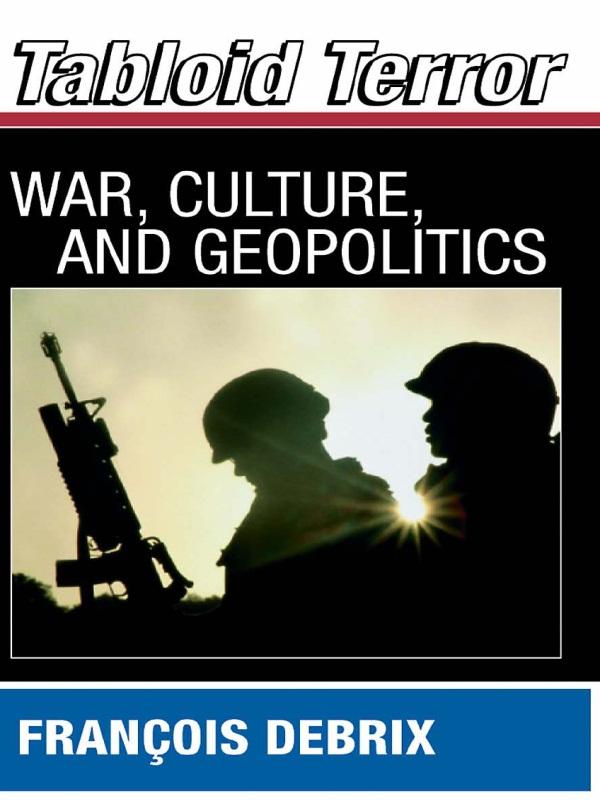
This book analyzes the methods, effects, and mechanisms by which international relations reach the US citizen. Deftly dissecting the interrelationships of national identity formation, corporate ‘news and opinion’ dissemination, and the quasi-academic apparatus of war justification - focusing on the Bush administration's exploitation of the fear and insecurity caused by 9/11 and how this has manifested itself in the US media (especially the tabloid populist media). Debrix explains how all serve to defend and produce state power and develops a model of tabloidized international relations, where responses are both organized by, and supportive of, a strong centralized US government. The field of International Relations sorely needs such analytics, in so far as it explains how people in their everyday lives relate to transnational issues.
Tabloid Terror critically covers a wide variety of US popular culture from the Internet to Fox News; analyzes diverse authors as Julia Kristeva, J.G. Ballard and Robert Kaplan and takes into account renowned international relations interlocutors as Don Imus, Bill O’Reilly, and Tommy Franks.
Płać wygodnie kartą, Klarną, Apple Pay lub Google Pay. Nie jesteś zadowolony? Zawsze masz 14-dniową gwarancję zwrotu pieniędzy. Więcej przeczytasz w naszych warunkach. Masz pytania? Napisz do nas na hello@memmo.org.
Memmo ułatwia naukę – gdziekolwiek jesteś na świecie. U nas znajdziesz podręczniki i sprytne narzędzia do nauki w jednym miejscu: streszczenia, quizy, podcasty i fiszki. A do tego Ted, Twój kumpel do nauki, który odpowie na wszystko, co Cię nurtuje. Ponad 50 000 studentów już tu się uczy – stworzone, byś uczył się szybciej i mniej stresował.