
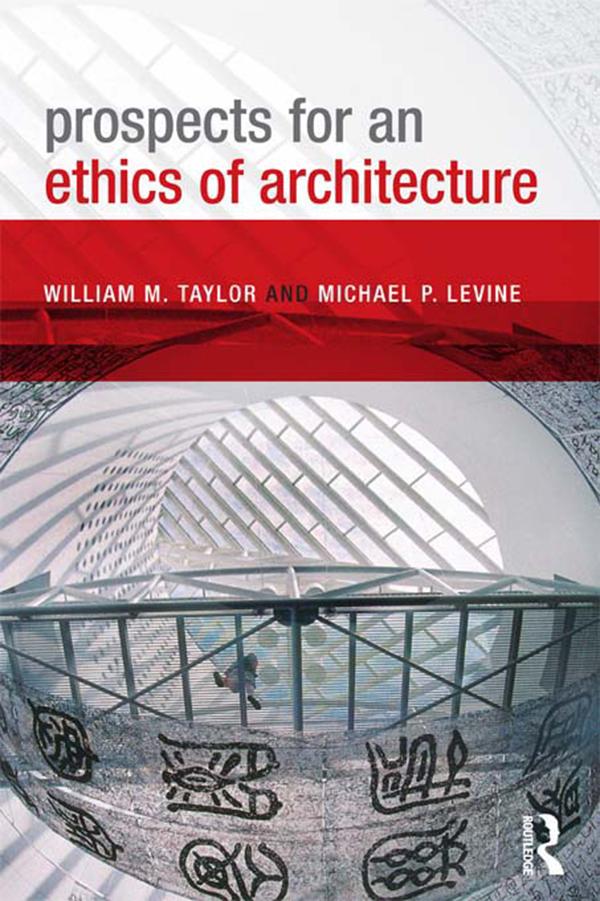
Bringing together the reflections of an architectural theorist and a philosopher, this book encourages philosophers and architects, scholars and designers alike, to reconsider what they do as well as what they can do in the face of challenging times. It does so by exploring the notion that architecture and design can (and possibly should), in their own right, make for a distinctive form of ethical investigation.
The book is less concerned with absolutist understandings of the two components of ethics, a theory of ‘the good’ and a theory of ‘the right’, than with remaining open to multiple relations between ideas about the built environment, design practices and the plurality of kinds of human subjects (inhabitants, individuals and communities) accommodated by buildings and urban spaces.
The built environment contributes to the inculcation of all sorts of values (good and bad). Thus, this book aims to change the way people commonly think about ethics, not only in relation to the built environment, but to themselves, their ways of thinking and modes of behaviour.
Płać wygodnie kartą, Klarną, Apple Pay lub Google Pay. Nie jesteś zadowolony? Zawsze masz 14-dniową gwarancję zwrotu pieniędzy. Więcej przeczytasz w naszych warunkach. Masz pytania? Napisz do nas na hello@memmo.org.
Memmo ułatwia naukę – gdziekolwiek jesteś na świecie. U nas znajdziesz podręczniki i sprytne narzędzia do nauki w jednym miejscu: streszczenia, quizy, podcasty i fiszki. A do tego Ted, Twój kumpel do nauki, który odpowie na wszystko, co Cię nurtuje. Ponad 50 000 studentów już tu się uczy – stworzone, byś uczył się szybciej i mniej stresował.