
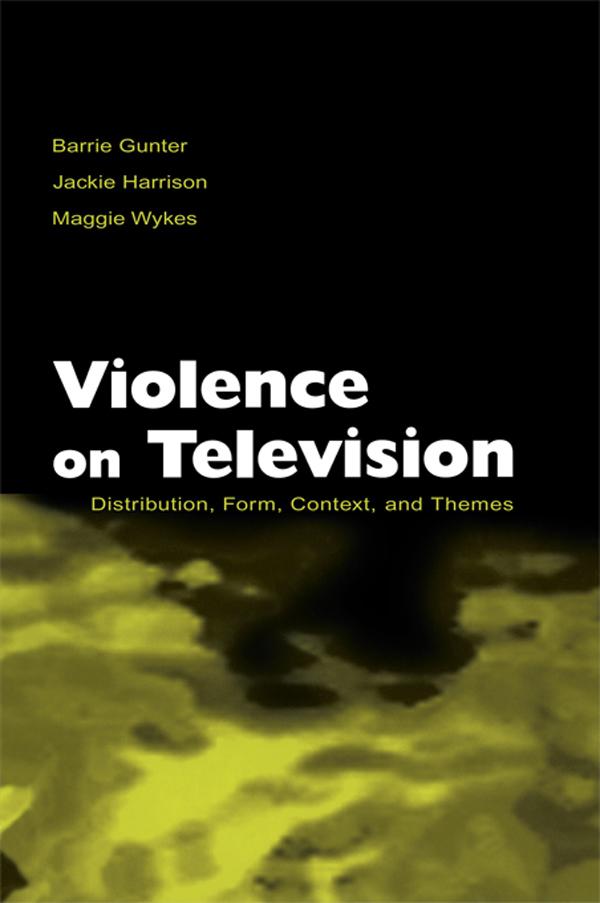
Concern about violence on television has been publicly debated for the past 50 years. TV violence has repeatedly been identified as a significant causal agent in relation to the prevalence of crime and violence in society. Critics have accused the medium of presenting excessive quantities of violence, to the point where it is virtually impossible for viewers to avoid it.
This book presents the findings of the largest British study of violence on TV ever undertaken, funded by the broadcasting industry. The study was carried out at the same time as similar industry-sponsored research was being conducted in the United States, and one chapter compares findings from Britain and the U.S.A.
The book concludes that it is misleading to accuse all broadcasters of presenting excessive quantities of violence in their schedules. This does not deny that problematic portrayals were found. But the most gory, horrific and graphic scenes of violence were generally contained within broadcasts available on a subscription basis or in programs shown at times when few children were expected to be watching. This factual analysis proves that broadcasters were meeting their obligations under their national regulatory codes of practice.
Płać wygodnie kartą, Klarną, Apple Pay lub Google Pay. Nie jesteś zadowolony? Zawsze masz 14-dniową gwarancję zwrotu pieniędzy. Więcej przeczytasz w naszych warunkach. Masz pytania? Napisz do nas na hello@memmo.org.
Memmo ułatwia naukę – gdziekolwiek jesteś na świecie. U nas znajdziesz podręczniki i sprytne narzędzia do nauki w jednym miejscu: streszczenia, quizy, podcasty i fiszki. A do tego Ted, Twój kumpel do nauki, który odpowie na wszystko, co Cię nurtuje. Ponad 50 000 studentów już tu się uczy – stworzone, byś uczył się szybciej i mniej stresował.