
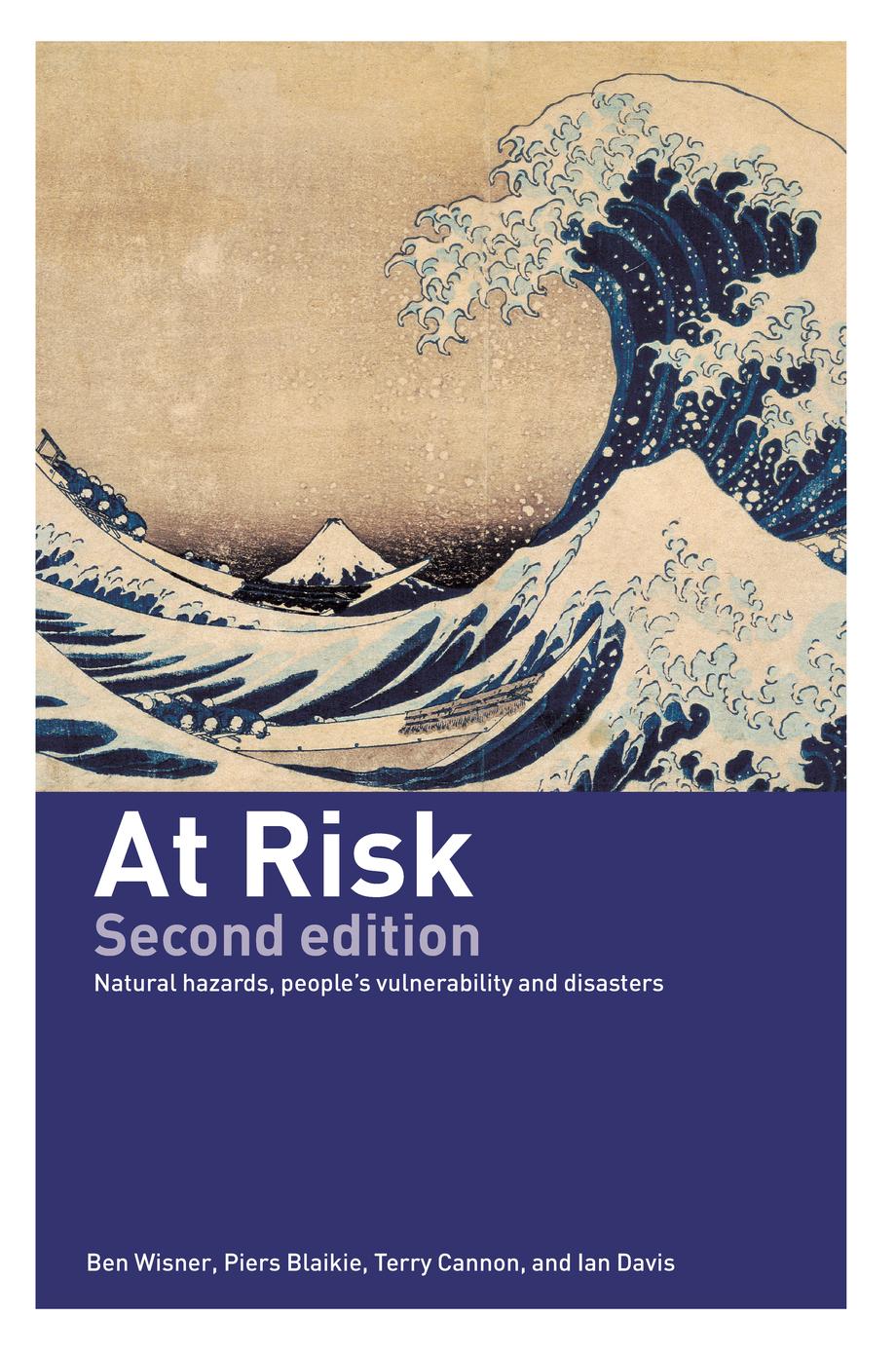
The term 'natural disaster' is often used to refer to natural events such as earthquakes, hurricanes or floods. However, the phrase 'natural disaster' suggests an uncritical acceptance of a deeply engrained ideological and cultural myth. At Risk questions this myth and argues that extreme natural events are not disasters until a vulnerable group of people is exposed.
The updated new edition confronts a further ten years of ever more expensive and deadly disasters and discusses disaster not as an aberration, but as a signal failure of mainstream 'development'. Two analytical models are provided as tools for understanding vulnerability. One links remote and distant 'root causes' to 'unsafe conditions' in a 'progression of vulnerability'. The other uses the concepts of 'access' and 'livelihood' to understand why some households are more vulnerable than others.
Examining key natural events and incorporating strategies to create a safer world, this revised edition is an important resource for those involved in the fields of environment and development studies.
Płać wygodnie kartą, Klarną, Apple Pay lub Google Pay. Nie jesteś zadowolony? Zawsze masz 14-dniową gwarancję zwrotu pieniędzy. Więcej przeczytasz w naszych warunkach. Masz pytania? Napisz do nas na hello@memmo.org.
Memmo ułatwia naukę – gdziekolwiek jesteś na świecie. U nas znajdziesz podręczniki i sprytne narzędzia do nauki w jednym miejscu: streszczenia, quizy, podcasty i fiszki. A do tego Ted, Twój kumpel do nauki, który odpowie na wszystko, co Cię nurtuje. Ponad 50 000 studentów już tu się uczy – stworzone, byś uczył się szybciej i mniej stresował.