
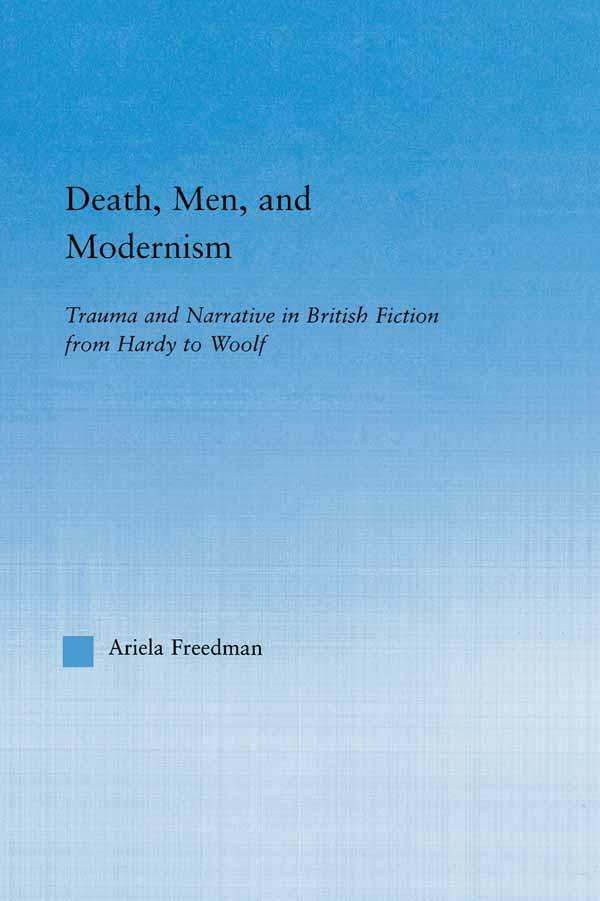
Death, Men and Modernism argues that the figure of the dead man becomes a locus of attention and a symptom of crisis in British writing of the early to mid-twentieth century. While Victorian writers used dying women to dramatize aesthetic, structural, and historical concerns, modernist novelists turned to the figure of the dying man to exemplify concerns about both masculinity and modernity. Along with their representations of death, these novelists developed new narrative techniques to make the trauma they depicted palpable. Contrary to modernist genealogies, the emergence of the figure of the dead man in texts as early as Thomas Hardy's Jude theObscure suggests that World War I intensified-but did not cause-these anxieties. This book elaborates a nodal point which links death, masculinity, and modernity long before the events of World War I.
Płać wygodnie kartą, Klarną, Apple Pay lub Google Pay. Nie jesteś zadowolony? Zawsze masz 14-dniową gwarancję zwrotu pieniędzy. Więcej przeczytasz w naszych warunkach. Masz pytania? Napisz do nas na hello@memmo.org.
Memmo ułatwia naukę – gdziekolwiek jesteś na świecie. U nas znajdziesz podręczniki i sprytne narzędzia do nauki w jednym miejscu: streszczenia, quizy, podcasty i fiszki. A do tego Ted, Twój kumpel do nauki, który odpowie na wszystko, co Cię nurtuje. Ponad 50 000 studentów już tu się uczy – stworzone, byś uczył się szybciej i mniej stresował.