
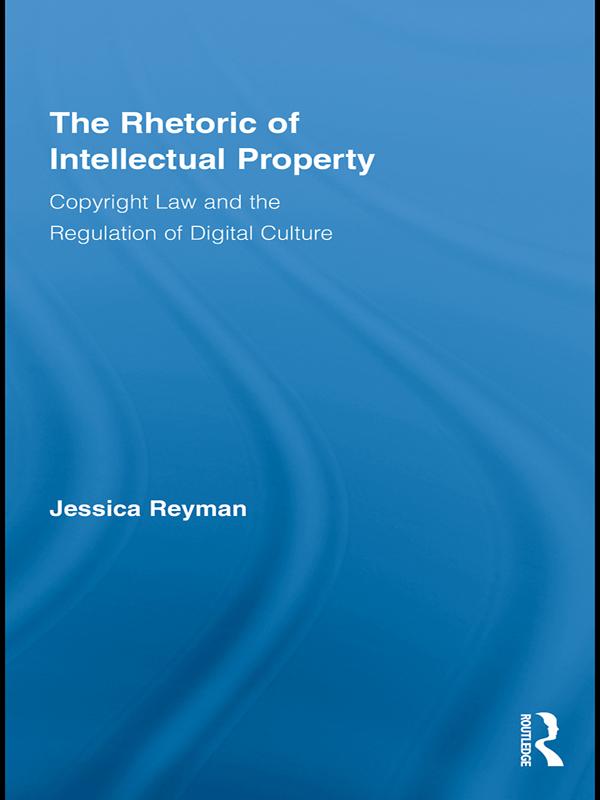
In recent years we have witnessed a rising tension between the open architecture of the Internet and legal restrictions for online activities. The impact of digital recording technologies and distributed file sharing systems has forever changed the expectations of everyday users with regard to digital information. At the same time, however, U.S. Copyright Law has shown a decided trend toward more restrictions over what we are able to do with digital materials. As a result, a gap has emerged between the reality of copyright law and the social reality of our everyday activities. Through an analysis of the competing rhetorical frameworks about copyright regulation in a digital age, this book shows how the stories told by active parties in the debate shape our cultural understanding of what is and is not acceptable in the use of copyrighted works on digital networks. Reyman posits recent legal developments as sites of conflict between competing value systems in our culture: one of control, relying heavily on comparisons of intellectual property to physical property, and emphasizing ownership, theft, and piracy, and the other a value of community, implementing new concepts such as that of an intellectual "commons," and emphasizing exchange, collaboration, and responsibility to a public good.
Płać wygodnie kartą, Klarną, Apple Pay lub Google Pay. Nie jesteś zadowolony? Zawsze masz 14-dniową gwarancję zwrotu pieniędzy. Więcej przeczytasz w naszych warunkach. Masz pytania? Napisz do nas na hello@memmo.org.
Memmo ułatwia naukę – gdziekolwiek jesteś na świecie. U nas znajdziesz podręczniki i sprytne narzędzia do nauki w jednym miejscu: streszczenia, quizy, podcasty i fiszki. A do tego Ted, Twój kumpel do nauki, który odpowie na wszystko, co Cię nurtuje. Ponad 50 000 studentów już tu się uczy – stworzone, byś uczył się szybciej i mniej stresował.
Może Ci się spodobać
Kup książkę0