
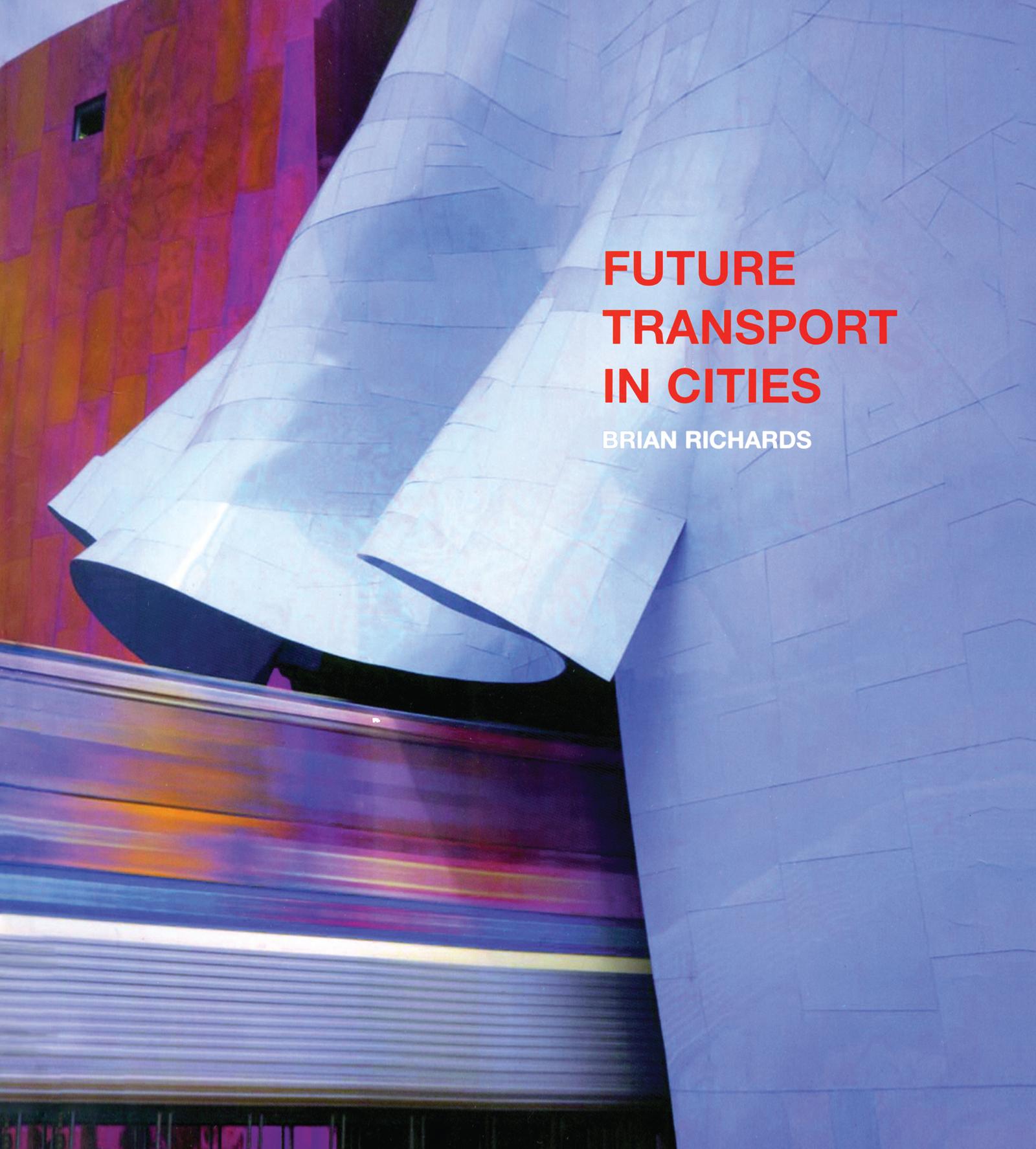
Cities around the world are being wrecked by the ever-increasing burden of traffic. A significant part of the problem is the enduring popularity of the private car - still an attractive and convenient option to many, who turn a blind eye to the environmental and public health impact. Public transport has always seemed to take second place to the car, and yet alternative ways of moving around cities are possible. Measures to improve public transport, as well as initiatives to encourage walking and cycling, have been introduced in many large cities to decrease car use, or at least persuade people to use their cars in different ways.
This book explores many of the measures being tried. It takes the best examples from around the world, and illustrates the work of those architects and urban planners who have produced some of the most significant models of "transport architecture" and city planning. The book examines the ways in which new systems are evolving, and how these are being integrated into the urban environment. It suggests a future where it could be mandatory to provide systems of horizontal movement within large-scale development, using the analogy of the lift, upon which every high-rise building depends. In so doing, future cities could evolve without dependence on the private car.
Płać wygodnie kartą, Klarną, Apple Pay lub Google Pay. Nie jesteś zadowolony? Zawsze masz 14-dniową gwarancję zwrotu pieniędzy. Więcej przeczytasz w naszych warunkach. Masz pytania? Napisz do nas na hello@memmo.org.
Memmo ułatwia naukę – gdziekolwiek jesteś na świecie. U nas znajdziesz podręczniki i sprytne narzędzia do nauki w jednym miejscu: streszczenia, quizy, podcasty i fiszki. A do tego Ted, Twój kumpel do nauki, który odpowie na wszystko, co Cię nurtuje. Ponad 50 000 studentów już tu się uczy – stworzone, byś uczył się szybciej i mniej stresował.
Może Ci się spodobać
Kup książkę0