
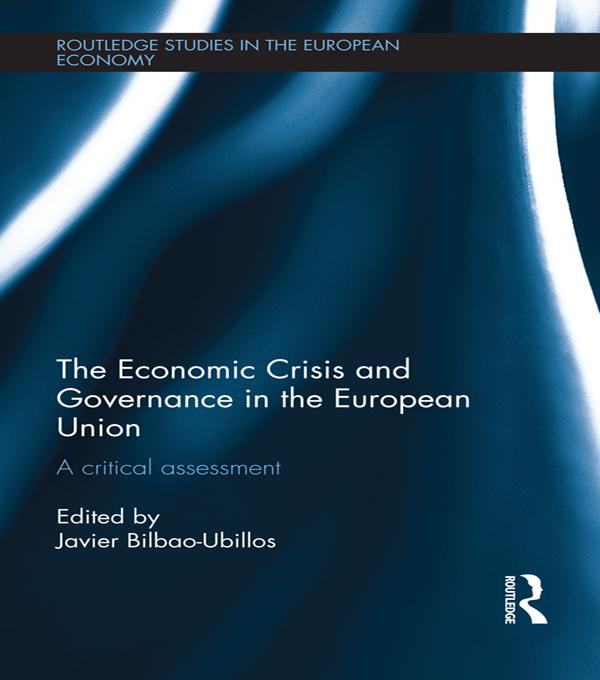
This book explores the way in which the financial crisis that began in the US spread to the economy of the European Union. It takes a critical look at the measures adopted by EU institutions in response to that crisis, seeking to explain the rationale behind them, their context, their development and why different exit strategies were not adopted. In doing this, the book makes comparisons with the measures adopted by institutions in the US and the UK.
As the crisis has shown that the financial supervision frameworks prevailing in 2007 were not fully able to deal with the largest financial crisis in history, this volume also reviews the proposals that have been designed to reform the supervisory architecture in financial services in the EU.
The book concludes that the EU member states under most pressure from financial markets do suffer from intrinsic problems, but that the economic effects of the crisis have been exacerbated by shortcomings in economic governance within the EU.
This work will be highly relevant to policy makers and scholars looking at EU integration, finance and market regulation.
Płać wygodnie kartą, Klarną, Apple Pay lub Google Pay. Nie jesteś zadowolony? Zawsze masz 14-dniową gwarancję zwrotu pieniędzy. Więcej przeczytasz w naszych warunkach. Masz pytania? Napisz do nas na hello@memmo.org.
Memmo ułatwia naukę – gdziekolwiek jesteś na świecie. U nas znajdziesz podręczniki i sprytne narzędzia do nauki w jednym miejscu: streszczenia, quizy, podcasty i fiszki. A do tego Ted, Twój kumpel do nauki, który odpowie na wszystko, co Cię nurtuje. Ponad 50 000 studentów już tu się uczy – stworzone, byś uczył się szybciej i mniej stresował.