
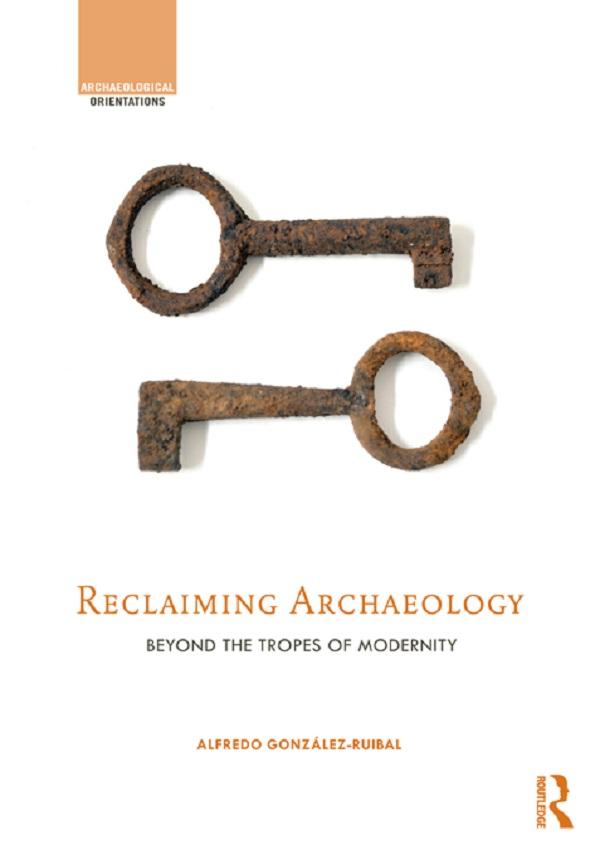
Archaeology has been an important source of metaphors for some of the key intellectuals of the 20th century: Sigmund Freud, Walter Benjamin, Alois Riegl and Michel Foucault, amongst many others. However, this power has also turned against archaeology, because the discipline has been dealt with perfunctorily as a mere provider of metaphors that other intellectuals have exploited. Scholars from different fields continue to explore areas in which archaeologists have been working for over two centuries, with little or no reference to the discipline. It seems that excavation, stratigraphy or ruins only become important at a trans-disciplinary level when people from outside archaeology pay attention to them and somehow dematerialize them. Meanwhile, archaeologists have been usually more interested in borrowing theories from other fields, rather than in developing the theoretical potential of the same concepts that other thinkers find so useful.
The time is ripe for archaeologists to address a wider audience and engage in theoretical debates from a position of equality, not of subalternity. Reclaiming Archaeology explores how archaeology can be useful to rethink modernity’s big issues, and more specifically late modernity (broadly understood as the 20th and 21st centuries). The book contains a series of original essays, not necessarily following the conventional academic rules of archaeological writing or thinking, allowing rhetoric to have its place in disclosing the archaeological. In each of the four sections that constitute this book (method, time, heritage and materiality), the contributors deal with different archaeological tropes, such as excavation, surface/depth, genealogy, ruins, fragments, repressed memories and traces. They criticize their modernist implications and rework them in creative ways, in order to show the power of archaeology not just to understand the past, but also the present.
Reclaiming Archaeology includes essays from a diverse array of archaeologists who have dealt in one way or another with modernity, including scholars from non-Anglophone countries who have approached the issue in original ways during recent years, as well as contributors from other fields who engage in a creative dialogue with archaeology and the work of archaeologists.
Płać wygodnie kartą, Klarną, Apple Pay lub Google Pay. Nie jesteś zadowolony? Zawsze masz 14-dniową gwarancję zwrotu pieniędzy. Więcej przeczytasz w naszych warunkach. Masz pytania? Napisz do nas na hello@memmo.org.
Memmo ułatwia naukę – gdziekolwiek jesteś na świecie. U nas znajdziesz podręczniki i sprytne narzędzia do nauki w jednym miejscu: streszczenia, quizy, podcasty i fiszki. A do tego Ted, Twój kumpel do nauki, który odpowie na wszystko, co Cię nurtuje. Ponad 50 000 studentów już tu się uczy – stworzone, byś uczył się szybciej i mniej stresował.