
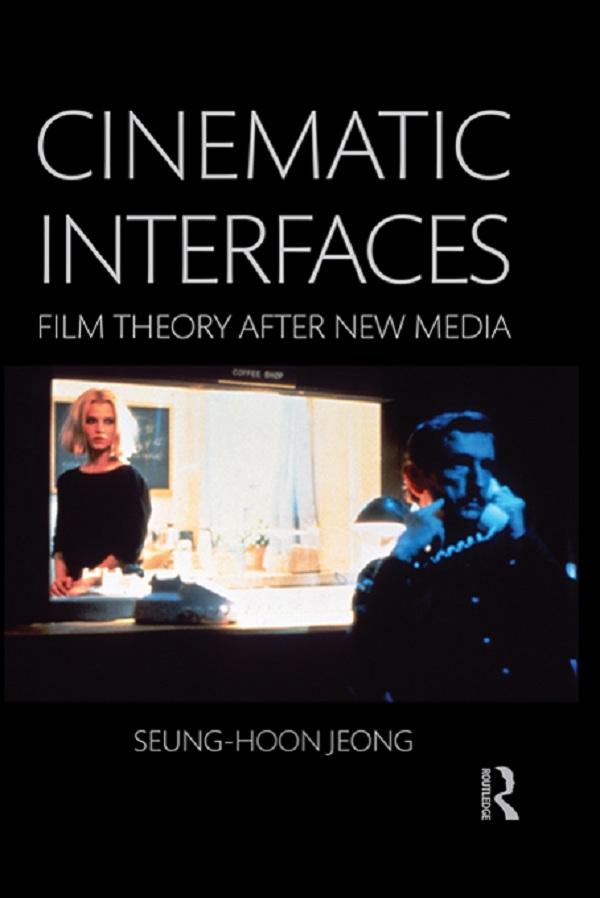
In this book, Seung-hoon Jeong introduces the cinematic interface as a contact surface that mediates between image and subject, proposing that this mediation be understood not simply as transparent and efficient but rather as asymmetrical, ambivalent, immanent, and multidirectional. Jeong enlists the new media term "interface" to bring to film theory a synthetic notion of interfaciality as underlying the multifaceted nature of both the image and subjectivity. Drawing on a range of films, Jeong examines cinematic interfaces seen on screen and the spectator’s experience of them, including: the direct appearance of a camera/filmstrip/screen, the character’s bodily contact with such a medium-interface, the object’s surface and the subject’s face as "quasi-interface," and the image itself. Each of these case studies serves as a platform for remapping and revamping major concepts in film studies such as suture, embodiment, illusion, signification, and indexicality. Looking to such theories as the ontology of the image and the phenomenology of the body, this original theorization of the cinematic interface not only offers a conceptual framework for rethinking and re-linking film and media studies, but also suggests a general theory of the interface.
Płać wygodnie kartą, Klarną, Apple Pay lub Google Pay. Nie jesteś zadowolony? Zawsze masz 14-dniową gwarancję zwrotu pieniędzy. Więcej przeczytasz w naszych warunkach. Masz pytania? Napisz do nas na hello@memmo.org.
Memmo ułatwia naukę – gdziekolwiek jesteś na świecie. U nas znajdziesz podręczniki i sprytne narzędzia do nauki w jednym miejscu: streszczenia, quizy, podcasty i fiszki. A do tego Ted, Twój kumpel do nauki, który odpowie na wszystko, co Cię nurtuje. Ponad 50 000 studentów już tu się uczy – stworzone, byś uczył się szybciej i mniej stresował.