
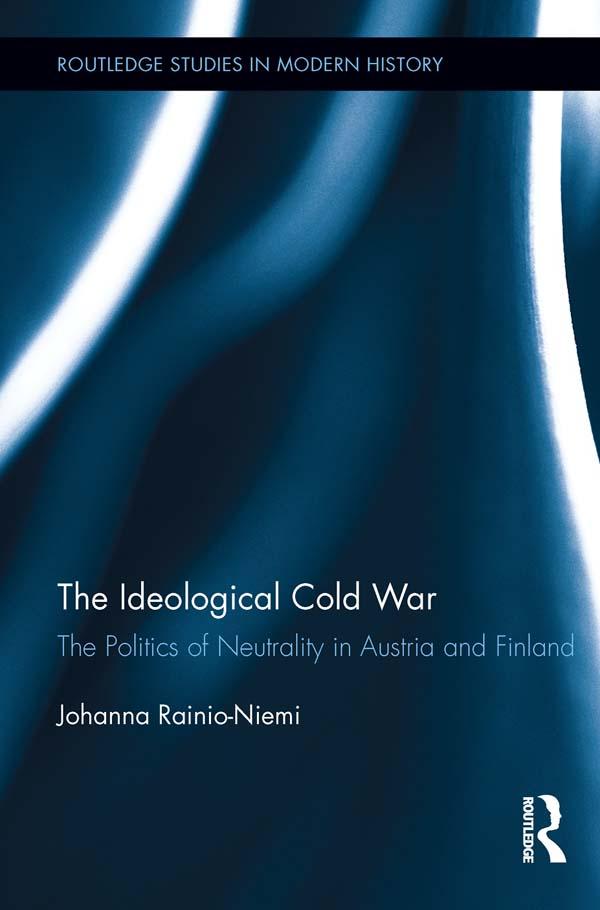
This book opens new perspectives into the Cold War ideological confrontations. Using Austria and Finland as an example, it shows how the Cold War battles for the hearts and minds of the people also influenced policies in countries that wished to stay outside the conflict.
Following the model of older European neutrals, Austria and Finland sought to combine neutrality with democracy. The combination was eagerly challenged by ideological Cold Warriors on both sides of the divide and questioned at home too. Was neutrality risking the neutrals’ commitment to democracy, or did the commitment to the western type of democracy threaten their commitment to neutrality?
Confronting these doubts grew into an organic part of practicing neutrality in the Cold War world. The neutrals needed to be exceptionally clear regarding the ideological foundations of their neutrality. Successful neutrality required a great deal of conceptual consistence and domestic unanimity. None of this was pre-given in Austria or Finland. However, in the model of Switzerland and Sweden, (armed) neutrality was systematically integrated with the official state ideology and promoted as a part of national identity. Legacies of these policies outlived the end of the Cold War.
Płać wygodnie kartą, Klarną, Apple Pay lub Google Pay. Nie jesteś zadowolony? Zawsze masz 14-dniową gwarancję zwrotu pieniędzy. Więcej przeczytasz w naszych warunkach. Masz pytania? Napisz do nas na hello@memmo.org.
Memmo ułatwia naukę – gdziekolwiek jesteś na świecie. U nas znajdziesz podręczniki i sprytne narzędzia do nauki w jednym miejscu: streszczenia, quizy, podcasty i fiszki. A do tego Ted, Twój kumpel do nauki, który odpowie na wszystko, co Cię nurtuje. Ponad 50 000 studentów już tu się uczy – stworzone, byś uczył się szybciej i mniej stresował.