
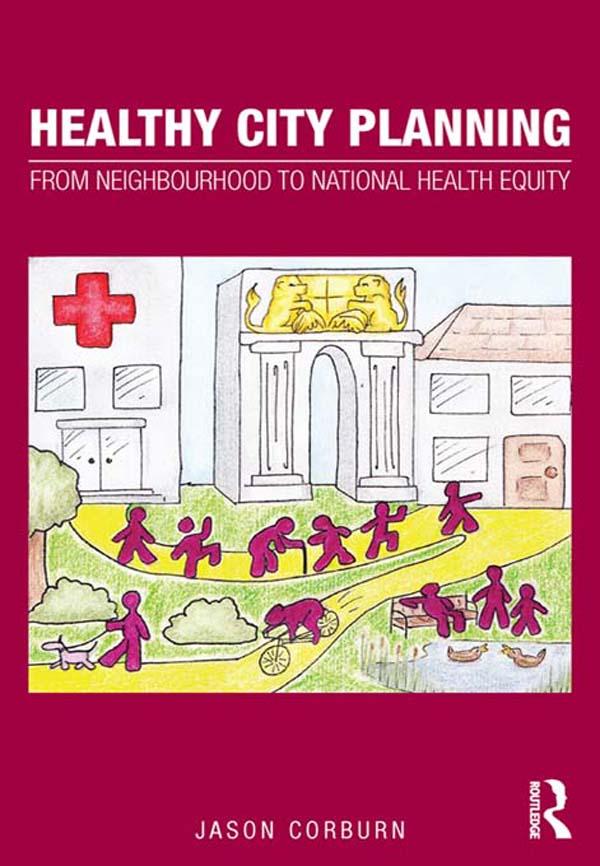
Healthy city planning means seeking ways to eliminate the deep and persistent inequities that plague cities. Yet, as Jason Corburn argues in this book, neither city planning nor public health is currently organized to ensure that today’s cities will be equitable and healthy.
Having made the case for what he calls ‘adaptive urban health justice’ in the opening chapter, Corburn briefly reviews the key events, actors, ideologies, institutions and policies that shaped and reshaped the urban public health and planning from the nineteenth century to the present day. He uses two frames to organize this historical review: the view of the city as a field site and as a laboratory.
In the second part of the book Corburn uses in-depth case studies of health and planning activities in Rio de Janeiro, Nairobi, and Richmond, California to explore the institutions, policies and practices that constitute healthy city planning. These case studies personify some of the characteristics of his ideal of adaptive urban health justice. Each begins with an historical review of the place, its policies and social movements around urban development and public health, and each is an example of the urban poor participating in, shaping, and being impacted by healthy city planning.
Płać wygodnie kartą, Klarną, Apple Pay lub Google Pay. Nie jesteś zadowolony? Zawsze masz 14-dniową gwarancję zwrotu pieniędzy. Więcej przeczytasz w naszych warunkach. Masz pytania? Napisz do nas na hello@memmo.org.
Memmo ułatwia naukę – gdziekolwiek jesteś na świecie. U nas znajdziesz podręczniki i sprytne narzędzia do nauki w jednym miejscu: streszczenia, quizy, podcasty i fiszki. A do tego Ted, Twój kumpel do nauki, który odpowie na wszystko, co Cię nurtuje. Ponad 50 000 studentów już tu się uczy – stworzone, byś uczył się szybciej i mniej stresował.