
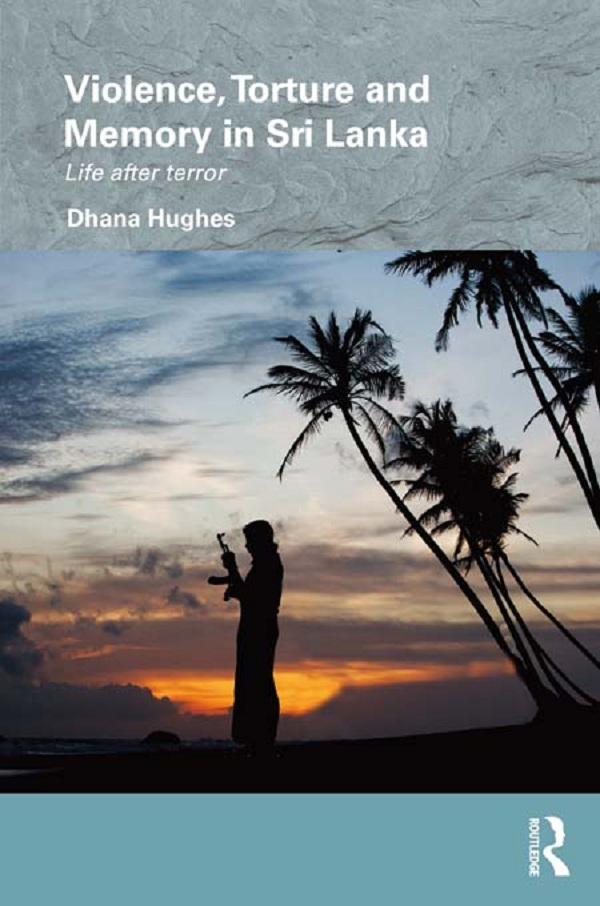
Drawing on original ethnographic field-research conducted primarily with former guerrilla insurgents in southern and central Sri Lanka, this book analyses the memories and narratives of people who have perpetrated political violence. It explores how violence is negotiated and lived with in the aftermath, and its implications for the self and social relationships from the perspectives of those who have inflicted it.
The book sheds ethnographic light on a largely overlooked and little-understood conflict that took place within the majority Sinhala community in the late 1980s, known locally as the Terror (Bheeshanaya). It illuminates the ways in which the ethical charge carried by violence seeps into the fabric of life in the aftermath, and discusses that for those who have perpetrated violence, the mediation of its memory is ethically tendentious and steeped in the moral, carrying important implications for notions of the self and for the negotiation of sociality in the present.
Providing an important understanding of the motivations, meanings, and consequences of violence, the book is of interest to students and scholars of South Asia, Political Science, Trauma Studies and War Studies.
Płać wygodnie kartą, Klarną, Apple Pay lub Google Pay. Nie jesteś zadowolony? Zawsze masz 14-dniową gwarancję zwrotu pieniędzy. Więcej przeczytasz w naszych warunkach. Masz pytania? Napisz do nas na hello@memmo.org.
Memmo ułatwia naukę – gdziekolwiek jesteś na świecie. U nas znajdziesz podręczniki i sprytne narzędzia do nauki w jednym miejscu: streszczenia, quizy, podcasty i fiszki. A do tego Ted, Twój kumpel do nauki, który odpowie na wszystko, co Cię nurtuje. Ponad 50 000 studentów już tu się uczy – stworzone, byś uczył się szybciej i mniej stresował.