
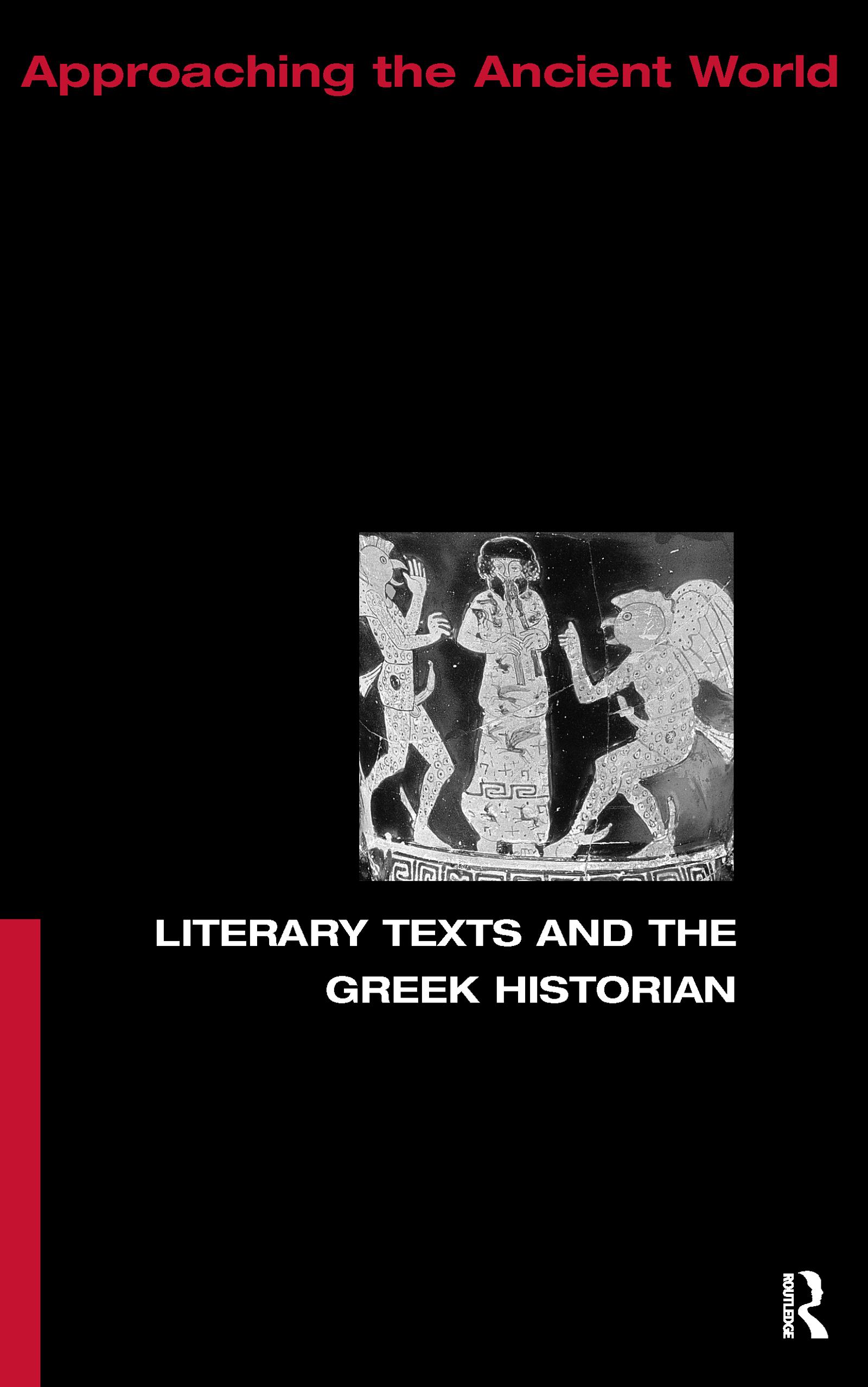
Our knowledge of Greek history rests largely on literary texts - not merely historians (especially Herodotus, Thucylides and Xenephon), but also tragedies, comedies, speeches, biographies and philosophical works. These texts are themselves among the most skilled and highly wrought productions of a brilliant rhetorical culture. How is the historian to use them? This book addresses this problem by taking a series of extended test-cases, and discussing how we should and should not try to exploit the texts. In some instances we can investigate 'what really happened', and the ways in which the texts manipulate, remould, or colour it according to their own rhetorical strategies; in others the most illuminating aspect may be those strategies themselves, and what they tell us about the culture - how it figured questions of sex and gender, politics, citizenship and the city, the law and the courts and how wars happen. Literary Texts and the Greek Historian concentrates on Athens in the second half of the fifth-century, when many of the principal genres came together, but includes some examples from earlier (Aeschylus ^Oresteia>) and later (including Aristotles poetics). Literary Texts and the Greek Historian examines the range of responses to these texts and suggests new ways in which literary criticism can illuminate the society from which these texts sprang.
Płać wygodnie kartą, Klarną, Apple Pay lub Google Pay. Nie jesteś zadowolony? Zawsze masz 14-dniową gwarancję zwrotu pieniędzy. Więcej przeczytasz w naszych warunkach. Masz pytania? Napisz do nas na hello@memmo.org.
Memmo ułatwia naukę – gdziekolwiek jesteś na świecie. U nas znajdziesz podręczniki i sprytne narzędzia do nauki w jednym miejscu: streszczenia, quizy, podcasty i fiszki. A do tego Ted, Twój kumpel do nauki, który odpowie na wszystko, co Cię nurtuje. Ponad 50 000 studentów już tu się uczy – stworzone, byś uczył się szybciej i mniej stresował.
Może Ci się spodobać
Kup książkę0